Yu-Gi-Oh! Meta Tiers in 2026: Tier 1 vs Tier 2 vs Rogue (With Decks)
How Yu-Gi-Oh!'s tier system actually works — what makes a deck Tier 1, why tiers shift every three months, and which decks are in each tier in the current format.
YuScan app · June 17, 2026
The phrase “tier list” gets thrown around constantly in Yu-Gi-Oh!, often by people who don’t quite mean the same thing by it. This ranking uses a tight definition: Tier 1 means the deck is consistently winning tournaments against the full field at a >55% rate. Tier 2 means the deck is placing in top cuts but losing more matchups than Tier 1. Tier 3 / Rogue means the deck occasionally tops but is not a format-best choice.
Current tier membership shifts every quarter with the banlist. The list below reflects the format as of April 2026. Treat it as a snapshot, not a permanent ranking — our banlist explainer covers how the lists shift quarterly.
Tier 1
Snake-Eye Ash
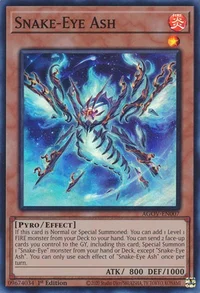
Snake-Eye Fiendsmith — the current defining deck
The hybrid Snake-Eye + 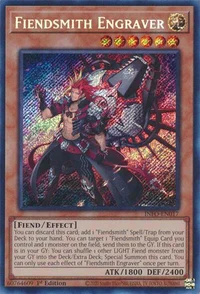 Fiendsmith Engraver build. Snake-Eye provides the combo engine, Fiendsmith adds disruption and recovery, and the deck can run the Kashtira package as an additional toolbox. Full build runs $1,200–$1,800.
Why it’s Tier 1: the deck has three distinct winning plans (combo, control, burn via splash engines), any one of which can close a game. Against every Tier 2 deck in the format, Snake-Eye Fiendsmith has a positive expected win rate.
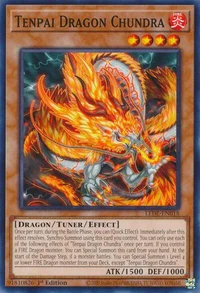
Tenpai Dragon Chundra
Tenpai Dragon — the OTK alternative
Tenpai Dragon Chundra-based Dragon Synchro OTK. A high-damage turbo deck that wins by doing 8,000 damage in a single explosive turn. Build cost $900–$1,400.
Tenpai’s Tier 1 status comes from its damage ceiling, not its consistency. Against decks that can disrupt the opening combo, Tenpai bricks more than Snake-Eye. But the deck’s top-end is higher — a clean Tenpai turn ends the game.
Tier 2
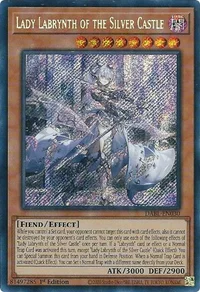
Lady Labrynth of the Silver Castle
Labrynth — the control deck that refuses to leave Tier 2
Lady Labrynth of the Silver Castle trap-based grind control. The cheapest legitimate competitive deck in the format at $350–$450 for a competent competitive build. Win rate vs Tier 1 is roughly 40–45%; win rate vs the rest of Tier 2 is slightly positive.
Labrynth is the benchmark for Tier 2 persistence. Our durability-focused archetype ranking places Labrynth in the top three for multi-format survivability.
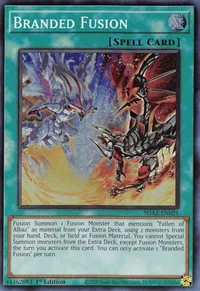
Branded Fusion
Branded Despia — Fusion toolbox with depth
Branded Fusion and the Bystial-heavy modern Branded build. The deck’s Tier 2 status reflects its matchup spread: good against Tenpai, mediocre against Snake-Eye, positive against the rest of the field.
Branded has received support continuously for four years. It’s not going to drop out of Tier 2 anytime soon — and with the right banlist cycle it could return to Tier 1.
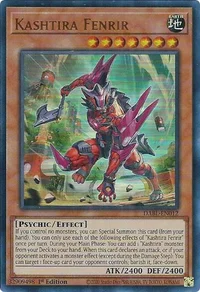
Kashtira Fenrir
Kashtira hybrid builds — splashed into Snake-Eye
Post-banlist Kashtira Fenrir is rarely played pure. It’s spliced into Snake-Eye and Fiendsmith shells as an additional engine. Pure Kashtira exists at the Tier 3 level; Kashtira-enhanced Snake-Eye is part of the Tier 1 Snake-Eye umbrella.
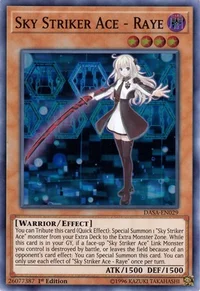
Sky Striker Ace - Raye
Sky Striker — the veteran control deck
Sky Striker Ace - Raye plus modern Engage-based Spell control. Sky Striker has been Tier 1 and Tier 2 in rotating fashion since 2018; the April 2026 format has it firmly Tier 2 after a banlist hit reduced Engage to Limited.
Sky Striker remains one of the best teaching decks for modern Yu-Gi-Oh! fundamentals — the meta-read skills it develops transfer to every other deck on this list.
Tier 3 / Rogue
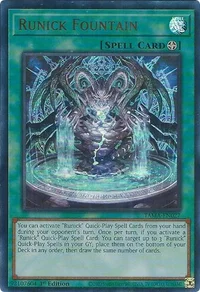
Runick Fountain
Runick — the budget rogue threat
Runick Fountain Quick-Play Spell mill control. Tier 3 with occasional top-cuts, typically in the hands of pilots who understand the deck’s mill math deeply. Upside of Runick is its price — it’s the cheapest deck that can legitimately show up in regional top cuts.
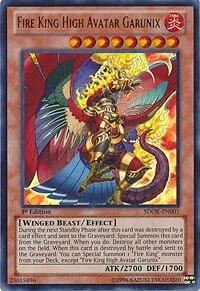
Fire King High Avatar Garunix
Fire King hybrid — niche but viable
Fire King High Avatar Garunix self-destruction engine splashed into various shells. Fire King pure is Tier 3; Fire King as a splash into Snake-Eye is part of Tier 1’s toolkit. The archetype has an unusually large design space and shows up in unexpected hybrids throughout the format.
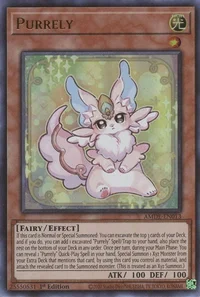
Various rogue picks — Eldlich, Vanquish Soul, Salamangreat
Everything else
The rogue category contains 5–10 archetypes at any time that place occasionally at regionals. In April 2026 the most common rogue choices are Eldlich (trap control), Vanquish Soul (tribute control), and Salamangreat (Link combo). None are favored against Tier 1; all have enough game against the Tier 2 field to produce occasional top cuts.
On YuScan
Every archetype and its current build
Full card pools, banlist state, and match-up notes for 620+ archetypes on YuScan.
How tiers actually shift
Banlist cycles. Every 3 months Konami updates the TCG banlist. Tier membership shifts immediately. A card Limited to 1 can move a Tier 1 deck to Tier 2; a Forbidden card can kill a deck outright.
New set releases. Every 2–3 months a new booster set introduces new cards. Roughly half of new sets shift the meta meaningfully; the other half add marginal cards. 2026’s Quarter Century-era releases have been more disruptive than average.
Engine discovery. Occasionally a new hybrid is discovered within an existing format — the Snake-Eye + Fiendsmith combination was a community discovery months after both archetypes were released. Engine discoveries can move a Tier 2 archetype to Tier 1 without any new card printings.
Format maturation. A new format usually has multiple decks at Tier 1 in the first 30 days. By day 60, one or two have separated. By day 90, the banlist hits them and resets the cycle. Plan accordingly.
Which tier should you play?
New to competitive Yu-Gi-Oh!: play Tier 2. Tier 1 decks are expensive and punishing to pilot poorly; Tier 2 decks teach you fundamentals at a lower cost. Labrynth specifically is the easiest Tier 2 deck to pilot correctly from a standing start.
Experienced, want to win the biggest events: play Tier 1. Accept the price, accept that a banlist hit will restructure your deck, and understand that Tier 1 tournament performance requires deep matchup knowledge.
Budget-constrained: play Tier 2 or high-quality Tier 3. Runick at Tier 3 is genuinely competitive at locals and regionals despite its budget; Labrynth at Tier 2 is the best price-to-performance in the current format.
Nostalgia / casual competitive: play a rogue archetype you enjoy. Win rates against the field will be lower but sustainable deck engagement matters more than marginal tournament EV for most players.
Scan the cards on this list. Watch the prices move.
YuScan identifies any Yu-Gi-Oh! card in under a second and tracks live prices across TCGPlayer, Cardmarket and eBay per print run — so a 1st Edition and an Unlimited don't get averaged into a meaningless number.
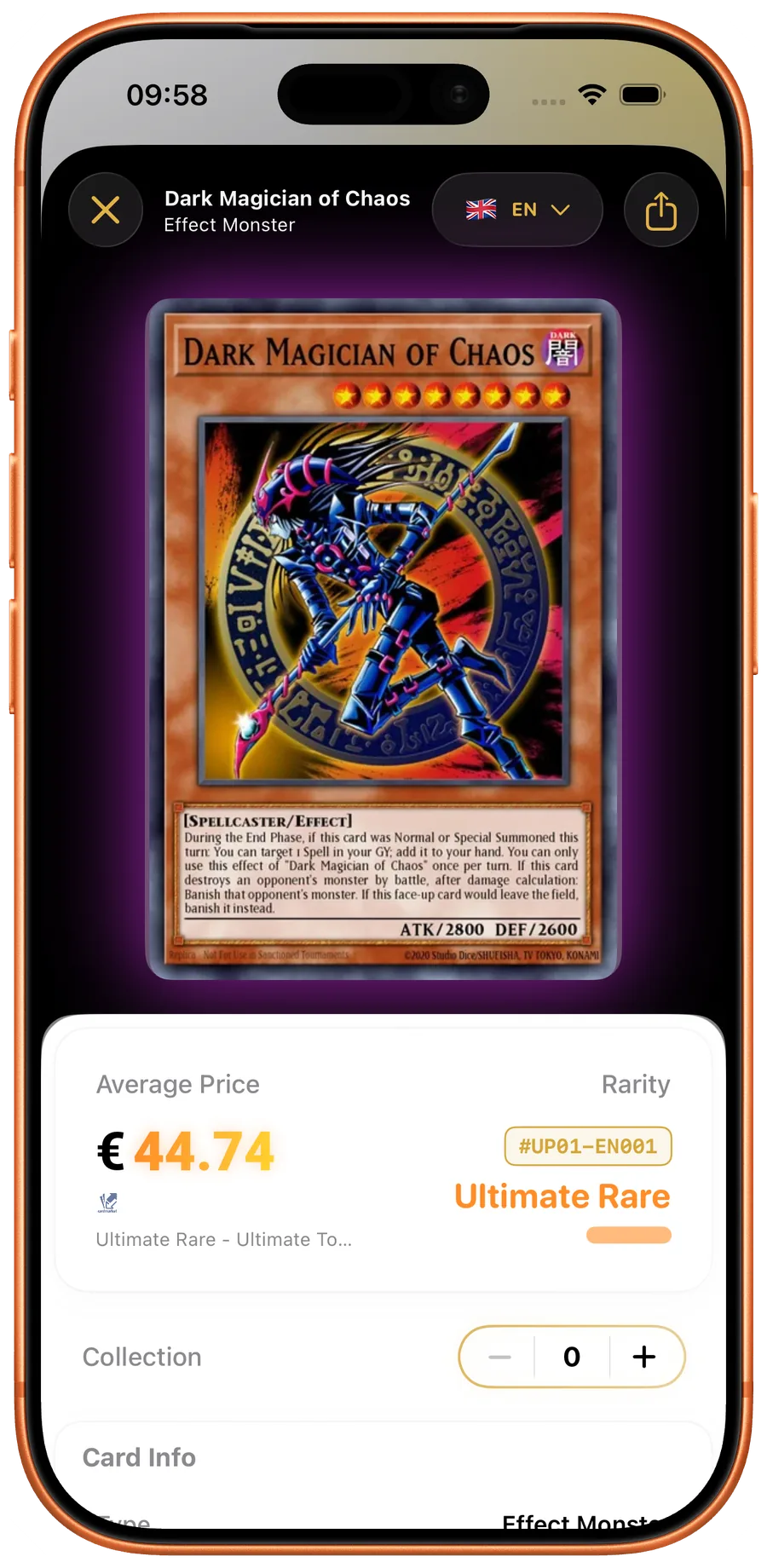
Track current meta prices on every deck on this list inside YuScan. Build costs update live — when a banlist hit crashes a deck’s price overnight, you see it in the app before the community consensus catches up.