The Most Playable Yu-Gi-Oh! Archetypes in 2026 (Ranked)
Ten Yu-Gi-Oh! archetypes ranked for 2026 by tournament results, banlist durability, meta share, and recent support, with the key cards for each deck.
YuScan app · April 22, 2026
Yu-Gi-Oh! has more archetypes than most TCGs have cards — YuScan’s database currently lists over 620 of them. Staying competitive across multiple banlists is rare: most archetypes get one format in the sun and disappear. The ten below have not. Each one has placed in top cuts across at least two of the last three TCG formats, each has taken banlist hits and kept playing, and each has received new support in the last twelve months.
This is not a pure tier list. Pure Snake-Eye was Tier 0 for parts of 2024 and most players would rank it #1 on meta share alone. Durability matters more in this ranking: how well a deck survives Konami’s axe. A deck that topped one YCS and vanished isn’t on this list. A deck that’s been Tier 2 for three years running is.
The ranking
Snake-Eye Ash
The defining engine of the era
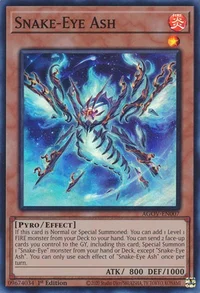
Snake-Eye is less a deck and more a combo core that other decks now bend around. The package built around Snake-Eye Ash and 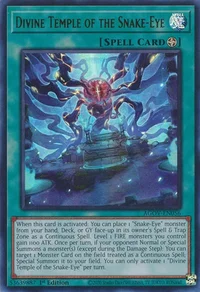 Divine Temple of the Snake-Eye has been Limited repeatedly and still sees play — because the banlist only cuts the copies, not the engine’s fundamental speed. Fire-attribute synergy, Link-climb lines, and the way the deck naturally slots Kashtira and Fiendsmith pieces give it more redundancy than almost any deck in the format.
What to know: Snake-Eye rarely plays as a pure build. It’s the host for Fiendsmith, for the Bystial package, for the Tenpai burn finisher. If you see a 2025–2026 top-cut list and it doesn’t say “Snake-Eye” somewhere in the name, check the engine anyway. It’s probably in there.
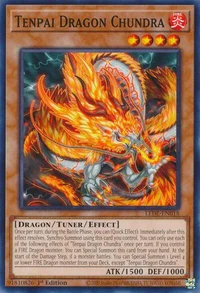
Tenpai Dragon Chundra
Tenpai Dragon — the OTK that refuses to die
Tenpai Dragon Chundra and the two other named Tenpai dragons operate almost entirely in the Extra Deck, climbing through Dragon Synchro lines to burn the opponent out in a single turn. The deck has been Limited at two points across 2024–2025 and has immediately retooled around the survivors — first dropping into Fire King hybrids, then fusing with Snake-Eye to share targeted disruption.
Tenpai is a durability case study. Its combo lines are internally redundant: almost every Tenpai monster can function as the starter, the extender, or the closer depending on what you drew. Cutting one copy of one card doesn’t kill the deck; it just slightly raises the brick rate.
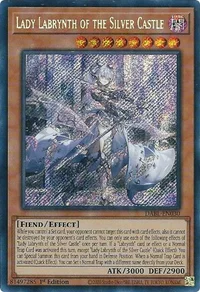
Lady Labrynth of the Silver Castle
Labrynth — the slow lane that never slows down
The Lady Labrynth of the Silver Castle package has been Tier 2 for three consecutive years. That’s almost unheard of in modern Yu-Gi-Oh! Labrynth’s whole design is out of step with the rest of the format — it uses Normal Trap Cards as activation triggers, wraps the whole strategy in burn protection, and wins long games. Which is exactly why it has survived: the banlist keeps targeting combo decks, and Labrynth isn’t one.
The archetype leans on 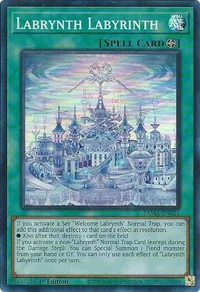 Labrynth Labyrinth as a persistent grind engine. Recent support has focused on adding interaction at the opening turn without breaking Labrynth’s identity as a slower control deck. It’s also the cheapest Tier 2 deck to build, by a meaningful margin — one reason it dominates regional locals where the budget gap matters.
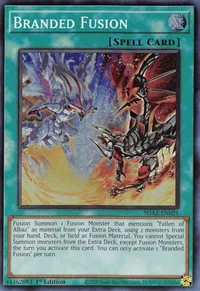
Branded Fusion
Branded Despia — the Fusion toolbox that never stops getting support
Branded Fusion has been the opening play for Branded Despia for four years, through three banlist cycles, across dozens of iterations. The deck’s identity is consistency via Fusion Summon — every opening turn puts Mirrorjade or Albion on the board, and every follow-up turn has a Bystial to swing the game with. When Konami prints a new Fallen of Albaz support card, Branded absorbs it.
Branded’s resilience comes from how much of its power is structural rather than in specific cards. 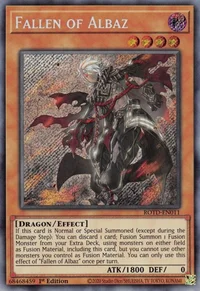 Fallen of Albaz, the Bystial monsters, and Mirrorjade are all individually banworthy and have all taken hits. The deck keeps climbing because the engine predates any one of them.
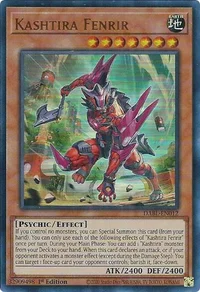
Kashtira Fenrir
Kashtira — nerfed, repurposed, still Tier 2
Kashtira Fenrir was a Tier 1 threat on its own before late-2024 banlist hits pushed the archetype down the ladder. Instead of dying, Kashtira became an engine: most modern Snake-Eye or Fiendsmith builds still run one or two copies of Fenrir as a generic disruptor. The Xyz zone-lock plays remain legal in longer games, and against decks that over-extend, Kashtira’s floodgate pressure still wins.
This is the second model of durability on the list: rather than adapting its own build, Kashtira survived by being splashable. Its best cards are strong without Kashtira-specific support.
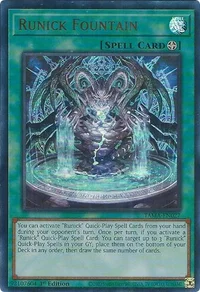
Runick Fountain
Runick — the budget control deck that topped regionals
Runick Fountain anchors a deck where almost every card is a Quick-Play Spell. Runick has a tiny card pool, costs a fraction of a meta build, and has still placed at regional events consistently since 2023. The deck wins by milling the opponent out — Runick’s mill count is large enough that it’s a real win condition, not a side plan.
Runick also has durability via scope: the archetype is so small and so self-contained that there’s almost nothing for a banlist to touch. If you want an example of a deck that is durable because it refuses to depend on the rest of the meta, Runick is it.
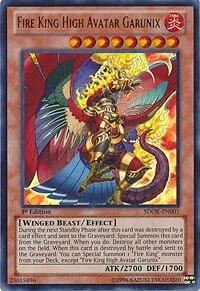
Fire King High Avatar Garunix
Fire King — quiet support, loud damage
Fire King High Avatar Garunix is the headline monster of a Fire-attribute archetype that destroys its own monsters to trigger effects. Fire King has received steady support for four years and pairs naturally with other Fire engines — most notably Snake-Eye, which is how the archetype has stayed relevant through 2025–2026.
Pure Fire King is a mid-tier pick. Fire King mixed into a Snake-Eye shell has been showing up in top cuts since late 2024. Either build plays through most common hand traps because of the self-destruction loop.
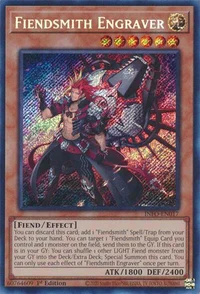
Fiendsmith Engraver
Fiendsmith — the splashable engine of 2025
The Fiendsmith package — headlined by Fiendsmith Engraver — isn’t a full archetype in the classic sense. It’s a 6–9 card engine that slots into almost any deck running LIGHT and DARK Fiend monsters, which in 2025–2026 is most of the meta. Fiendsmith has shown up in Snake-Eye, Branded, Sky Striker, and every hybrid in between.
Its place on this list reflects the modern reality of Yu-Gi-Oh!: the most durable “archetypes” are now engines designed to be drafted into other decks. If you are building for 2026, you are probably building with Fiendsmith.
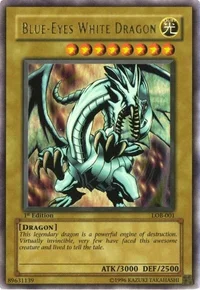
Blue-Eyes White Dragon
Blue-Eyes — Konami's favorite nostalgia deck is back
Blue-Eyes White Dragon is the most famous card in the game and Konami reprints Blue-Eyes support more often than almost any other legacy archetype. A rebuilt Blue-Eyes deck using post-2023 support has been placing at locals and smaller regionals — it is not Tier 1, but it is durable, cheap to build, and Konami keeps feeding it.
Blue-Eyes is included here less for raw power and more as a case study: legacy archetypes that receive consistent modern support (Blue-Eyes, Dark Magician, Red-Eyes to a lesser extent) form their own stable tier. If you want to play nostalgia competitively, Blue-Eyes is the one that actually works.
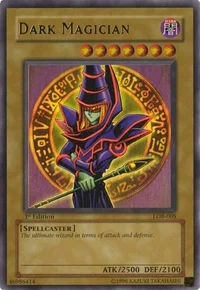
Dark Magician
Dark Magician — stable, spellcaster-y, and not going anywhere
Dark Magician has 500+ printings in YuScan’s database — more than any other card in the game. Modern Dark Magician support (Magicians’ Souls, Eternal Soul, 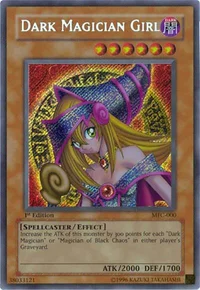 Dark Magician Girl, and the Illusion Magic package) has kept the deck playable at the regional level continuously since 2020.
It is never Tier 1. It is never going to be Tier 1. But it is a deck that receives new, competent support every year, that never has to fear a banlist hit because its best cards aren’t the ones targeted, and that has a fanbase large enough that Konami will keep printing support for it indefinitely. That is its own kind of durability.
On YuScan
Every archetype in one place
YuScan's archetype browser lists 620+ archetypes with full card pools, banlist state, and every printing since 2002.
What makes an archetype durable
Looking across the ten decks above, three patterns repeat:
Engine modularity. Snake-Eye, Fiendsmith, Kashtira, Tenpai — the durable archetypes all break down into a small bundle of cards that can be slotted into other decks. When the banlist hits a core card, the engine is already in three other shells and the deck doesn’t collapse.
Ongoing support. Labrynth, Branded, Blue-Eyes, Fire King, and Dark Magician all get new cards every 6–12 months. This keeps the card pool deep enough that banlist hits on older cards don’t leave the deck stranded with no alternatives.
Multiple win conditions. Tenpai and Runick both lean hard on this. Tenpai can OTK through burn, synchro damage, or a control turn. Runick mills, stalls, or pivots to Despia. When the primary plan gets hit, Plan B is already in the deck.
Archetypes that win one format and vanish — there are many — usually lack at least two of those three. When you evaluate whether a new archetype is worth investing in, check how many of the three boxes it ticks. One box means it’s fragile. Three boxes means it’s probably on this list five years from now.
How to build from here
If you are new to a competitive deck and unsure where to start, the two cheapest durable options on this list are Runick and Labrynth. Both can be built under $200. Both will teach you modern Yu-Gi-Oh! fundamentals — Labrynth through grind control, Runick through resource denial.
If you want to play the most powerful deck in the format, it is some flavor of Snake-Eye. Expect to pay more. Expect the banlist to keep cutting copies. Expect to still be playing it a year from now.
If you want a legacy deck, Blue-Eyes is the one with current support that actually works. Dark Magician is the other, but softer. Neither will top a YCS; both will top a local.
Scan the cards on this list. Watch the prices move.
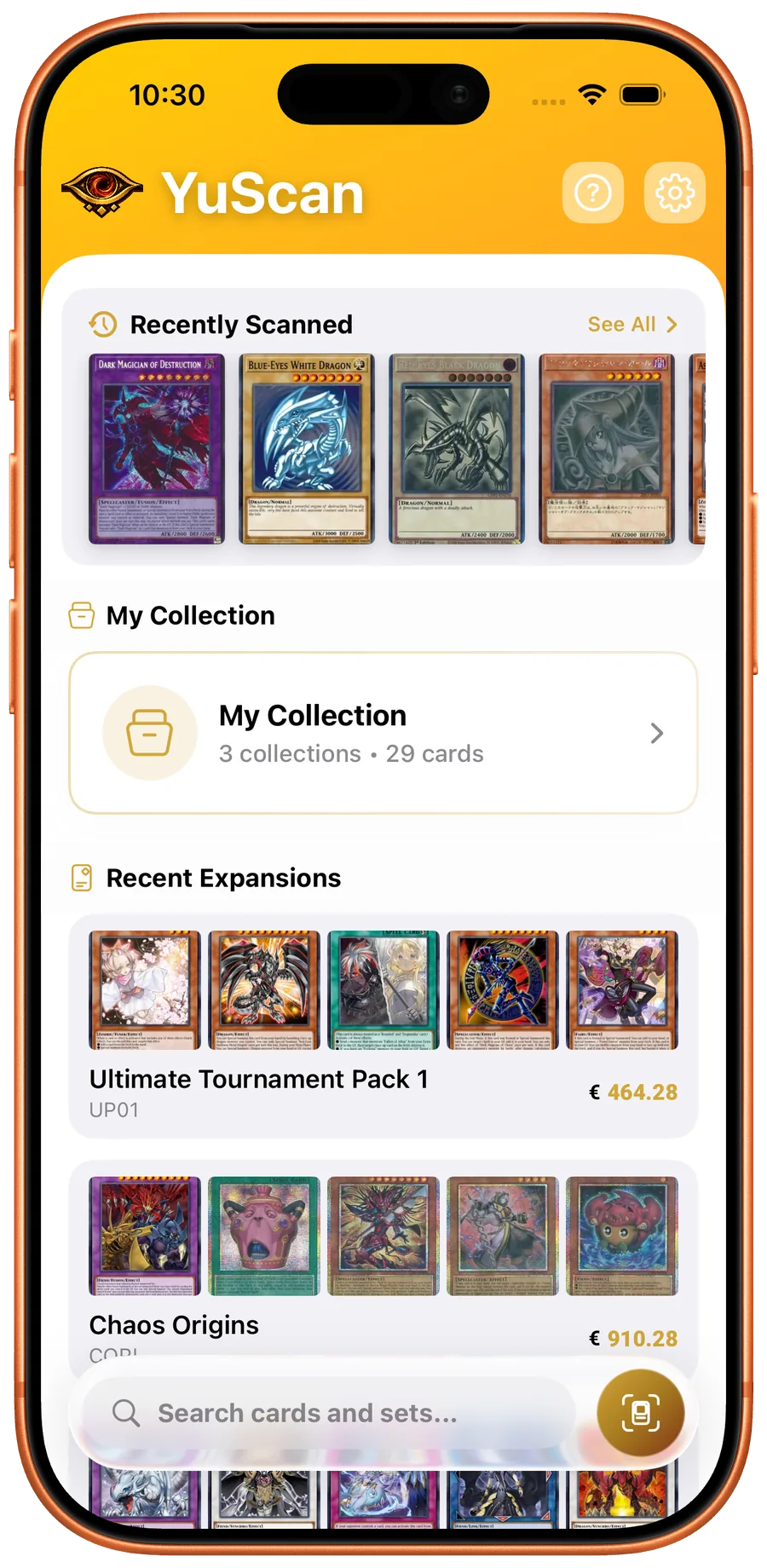
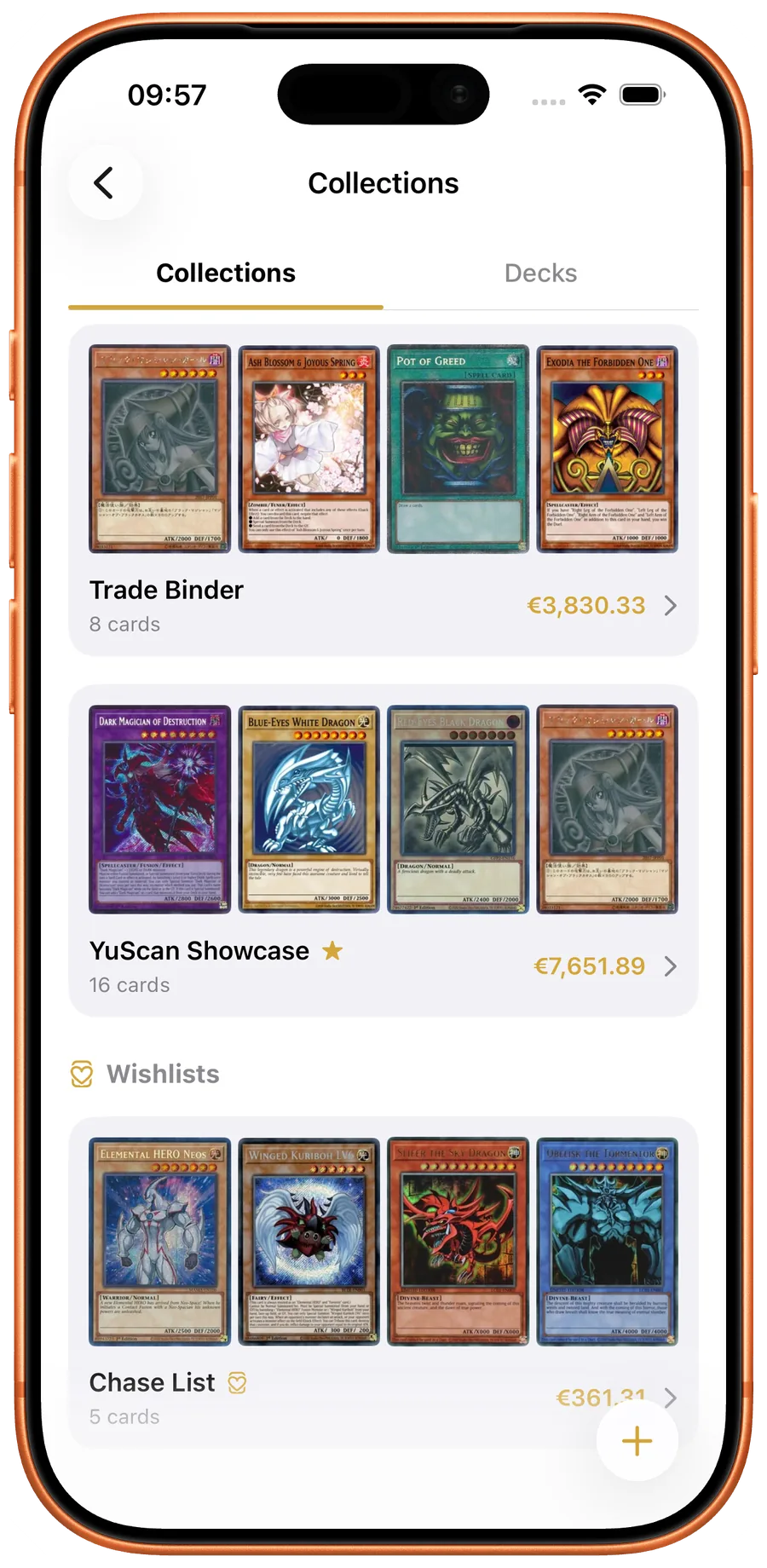
YuScan identifies any Yu-Gi-Oh! card in under a second and tracks live prices across TCGPlayer, Cardmarket and eBay per print run — so a 1st Edition and an Unlimited don't get averaged into a meaningless number.
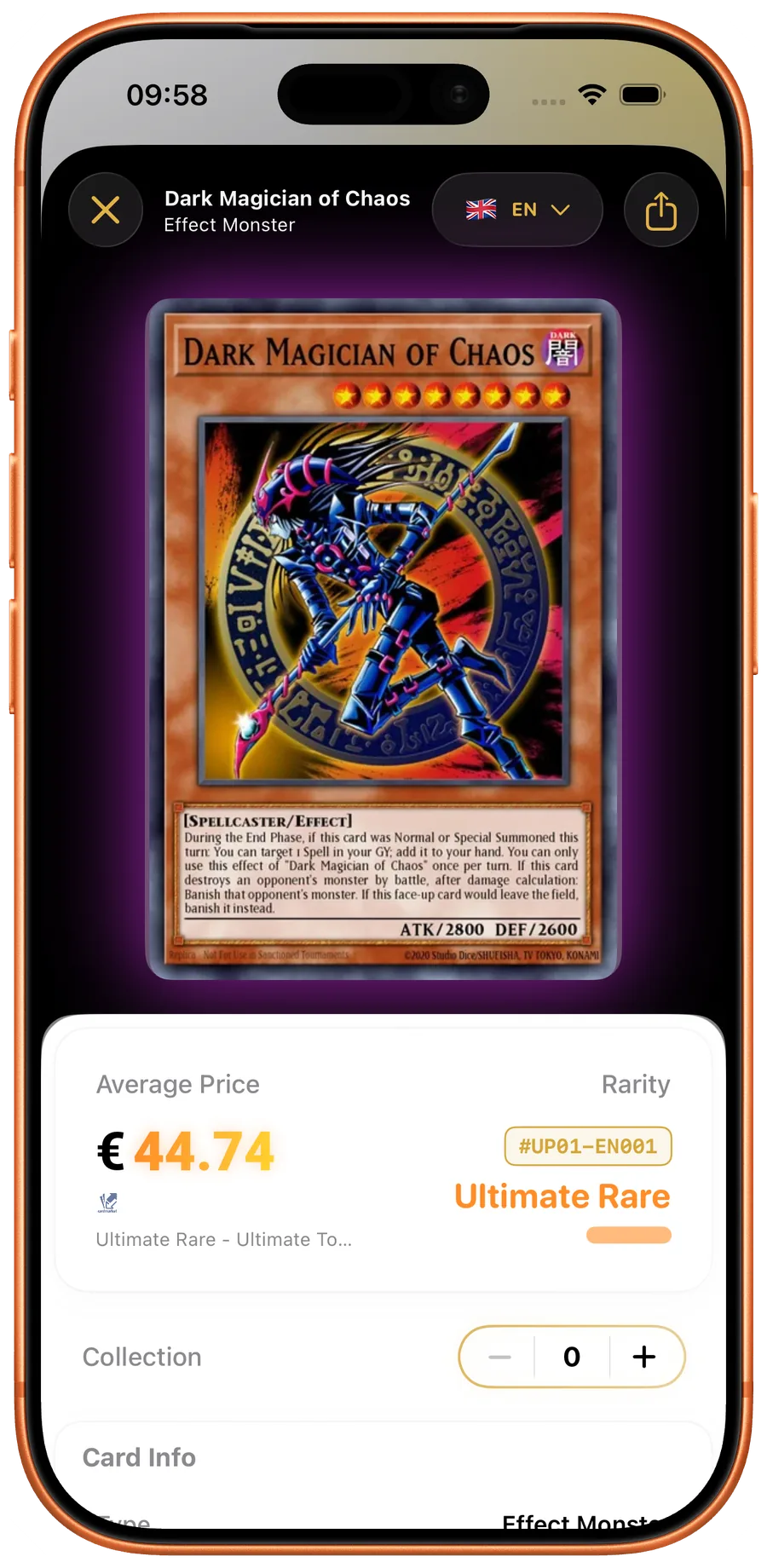
Browse every archetype, every expansion since LOB, and track live prices on cards from this list in the YuScan iOS app.