Yu-Gi-Oh! Sealed Product Ranked: Booster Boxes, Tins, Structure Decks (2026)
Every category of sealed Yu-Gi-Oh! product ranked by value density — what you actually get for your money. With buyer's notes on MSRP vs secondary market.
YuScan app · June 10, 2026
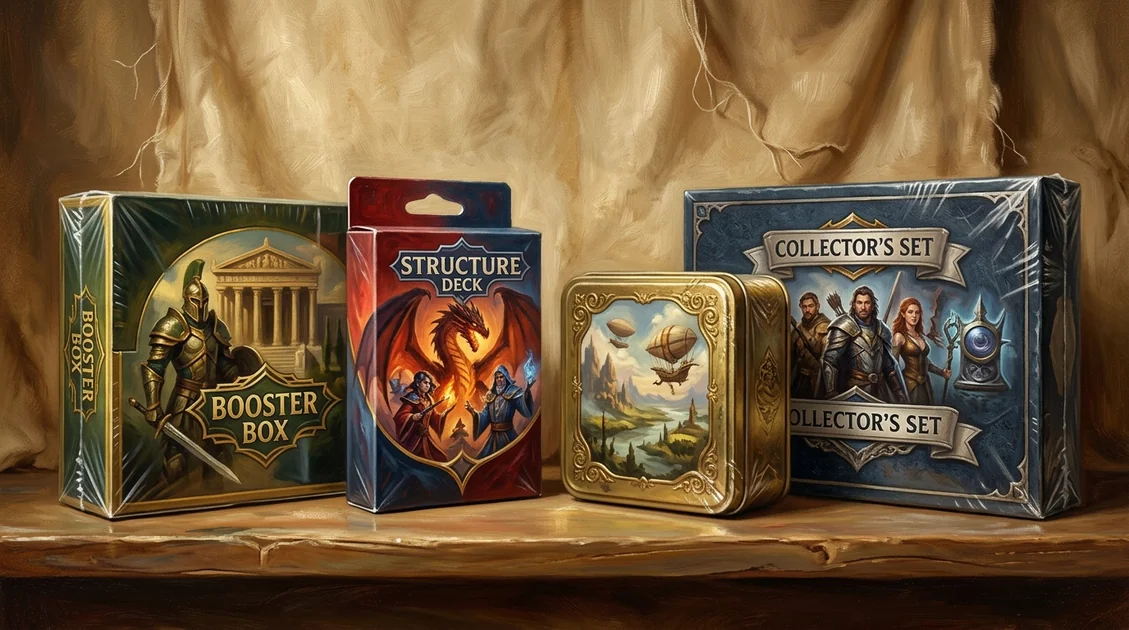
There are eight distinct categories of sealed Yu-Gi-Oh! product on the market in 2026. Some of them are genuinely good value. Some of them exist primarily to extract money from nostalgic adults who should know better. This ranking evaluates each category on expected value — what the average buyer actually gets from the product — rather than on the best-case scenarios that marketing materials tend to emphasize.
Opening sealed Yu-Gi-Oh! product is, in aggregate, a losing proposition if your goal is to maximize the cards-per-dollar ratio. Buying singles is almost always cheaper. This list ranks the products that lose you the least and that deliver the most for players who genuinely want the pack-opening experience.
The ranking
Structure Decks ($12–15 MSRP)
The best value in Yu-Gi-Oh!
Structure Decks are 40–43 preconstructed cards with a handful of rare inclusions, sold at $12–$15 retail. For a new or returning player, a structure deck is the single best way to spend money in Yu-Gi-Oh!. You get a complete, legal, playable deck out of the box, and the reprint chase cards are often playable in the current meta.
Best structure deck picks in 2026: the Albaz Strike build (Branded fundamentals), the Dragon’s Roar modernization, and any of the archetype-focused re-releases from Konami’s 2025 lineup. Check the expansions index for current structure deck releases.
Value density: near 1:1 with retail price in cards-you-can-use. No random-pack variance risk. The highest expected value on this list.
Legendary Collections ($30–40)
Reprint boxes done right
Legendary Collection boxes include five binders or mega-packs with a guaranteed reprint selection from previous eras. Contents are mostly known in advance, which means no variance risk. Expected value typically tracks retail price closely — you’re paying for convenience (everything in one place) rather than speculation.
The best Legendary Collections are the archetype-focused ones (Legendary Duelists: Season 1 through 3). Skip the generic “greatest cards” collections unless you specifically want the reprints they contain.
Duel Power / Duel Devastator-style Mega Packs ($25–35)
Curated reprint sets for competitive players
These are targeted reprint products — usually 10–20 current staples bundled together at sub-singles-total-market price. Duel Power, Duel Devastator, and similar products from 2019 onward are specifically designed to give competitive players a cheaper alternative to buying singles.
Expected value is often 1.5–3× retail if the reprint selection overlaps what you need. If you don’t play the cards being reprinted, these products are worthless to you. Buy strategically.
Core Set Booster Boxes ($65–85)
The gamble everyone knows
A current-set booster box contains 24 packs of 9 cards each, with pull rates that mathematically guarantee roughly: 216 Commons/Rares, 24 Super Rares, 12 Ultra Rares, 6 Secret Rares, and a small chance at higher rarities. Expected-value calculations run on published pull rates typically come out to $50–$90 of market-price cards per box — near or at parity with a $70 retail box.
The gamble is in the pull variance. A box with a Starlight Rare hit clears $300+ in value. A box with none of the chase cards clears $35. Box-opening is a net loss in expected value for most buyers; singles are cheaper.
Exception: a box of a set where the meta staples are concentrated in the low-rarity tiers (Super / Ultra) can outpace singles. This is rare but does happen. Check the set’s meta before buying.
Mega Tins ($22–28)
Konami's loss-leader product
Annual mega tins contain 5 promotional cards + 3 older booster packs + 1 current booster pack. The promotional cards are usually reprints of recent meta staples in a premium rarity (Prismatic Secret Rare, Secret Rare). Expected value generally tracks or slightly exceeds retail.
Best for: players who want competitive staples at a reasonable price point without committing to box-opening variance. The three older booster packs add mild upside.
Collector's Boxes / Premium Collections ($30–50)
Where value goes to die
Collector-focused products with 4–8 premium-rarity cards and some accessories (sleeves, playmat, binder). Prices run $30–$50. The included accessories are rarely competitive with dedicated accessory products, and the card count is low. Expected value usually runs below retail.
Buy these for the accessories if you like them. Do not buy them expecting valuable cards per dollar.
Speed Duel Boxes ($15–25)
Format-specific, limited reprint utility
Speed Duel is a separate format with its own banlist, and Speed Duel sealed products are priced accordingly. Value is largely restricted to Speed Duel players — reprints in these products are Speed-Duel-legal but often don’t overlap with Advanced Format playables.
Good value if you play Speed Duel. Near-zero value if you don’t.
25th Anniversary / Quarter Century Chase Products ($100+)
Prestige pricing, collector target
Specialty products targeting the Quarter Century Secret Rare rarity tier. Retail prices are high, secondary market prices immediately higher, pull rates for the headline chase cards are intentionally low. These products function more as collector lottery tickets than as card-acquisition tools.
Value-density calculations on Quarter Century products are genuinely negative for most buyers. The products exist for collectors who want the specific rarity and are willing to pay the lottery-ticket price. If that’s you, buy with clear eyes.
On YuScan
Every expansion, every release date
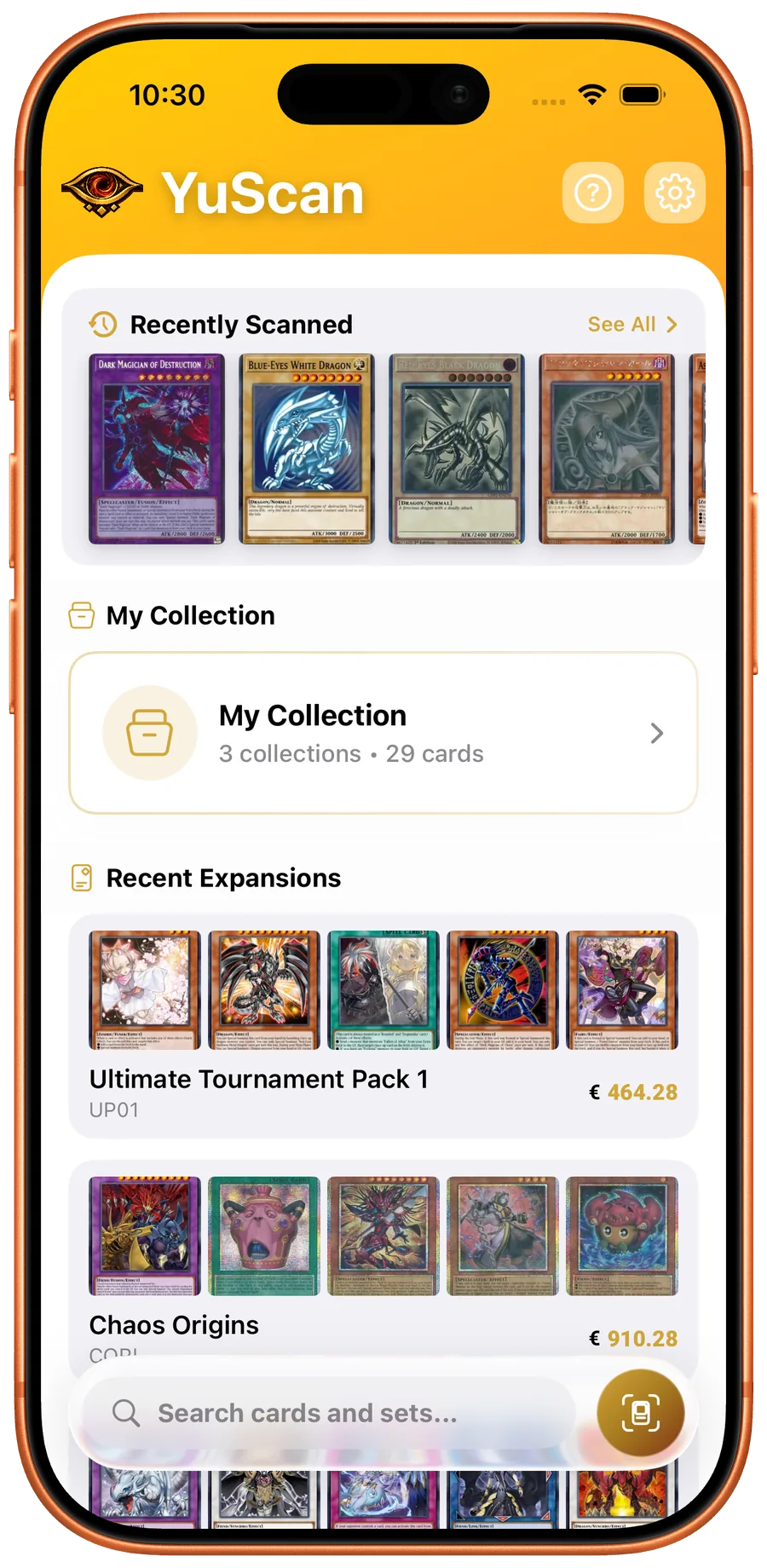
Browse Konami's full release calendar with per-set card counts and price ranges on YuScan.
How to decide what to buy
Are you a player? Buy structure decks and singles. Almost never boxes.
Are you a collector? Buy targeted reprint products (Duel Power, Mega Tins) for competitive staples, and buy singles for vintage grails. Avoid booster boxes for most sets.
Are you opening packs for the experience? Buy a box of a set you like, accept that you’re paying for entertainment, and do not kid yourself that it’s an investment. The math says it isn’t.
Are you investing? Don’t. Sealed Yu-Gi-Oh! product has not been a reliable investment category outside of the 2002–2005 era, and even those products require ideal preservation over 20+ years to appreciate meaningfully. Buy singles if you want specific cards to hold value.
A note on grading sealed product
Sealed boosters from 2002–2005 can be graded by BGS, PSA, and CGC as sealed product and can carry meaningful premiums in high grades. This is a specialist market that requires expertise in identifying authentic sealed product from the era. Most modern sealed product does not appreciate at grading-tier levels.
If you happen to own sealed product from the LOB-MRD-PSV era, it’s worth evaluating. Everything newer should be opened or sold as-sealed without grading.
Scan the cards on this list. Watch the prices move.
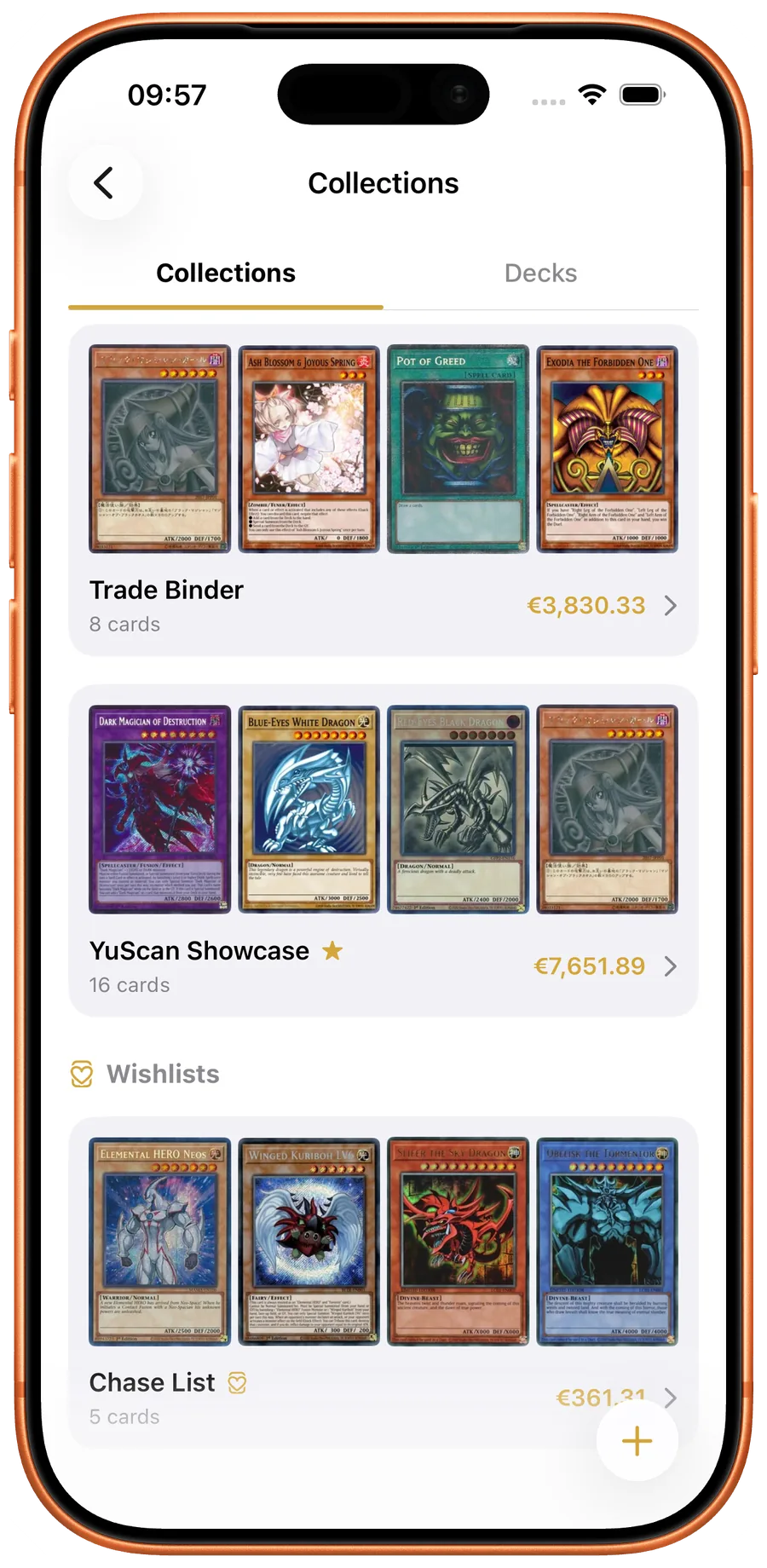
YuScan identifies any Yu-Gi-Oh! card in under a second and tracks live prices across TCGPlayer, Cardmarket and eBay per print run — so a 1st Edition and an Unlimited don't get averaged into a meaningless number.
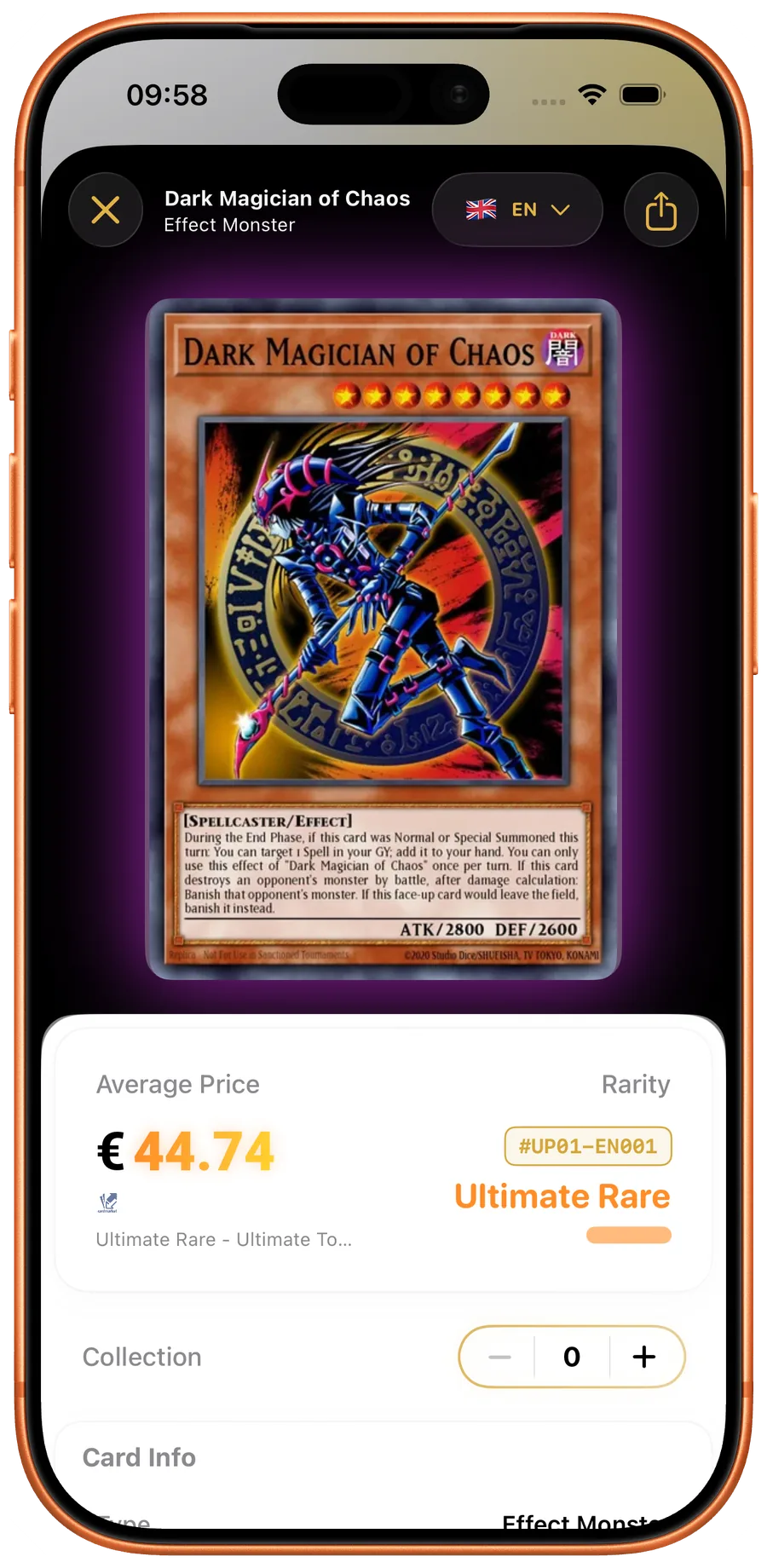
Track set pricing, card pull-rates, and your collection value inside YuScan — the app that knows every expansion since LOB and prices cards per-print, so you can see exactly what a box is worth before you open it.