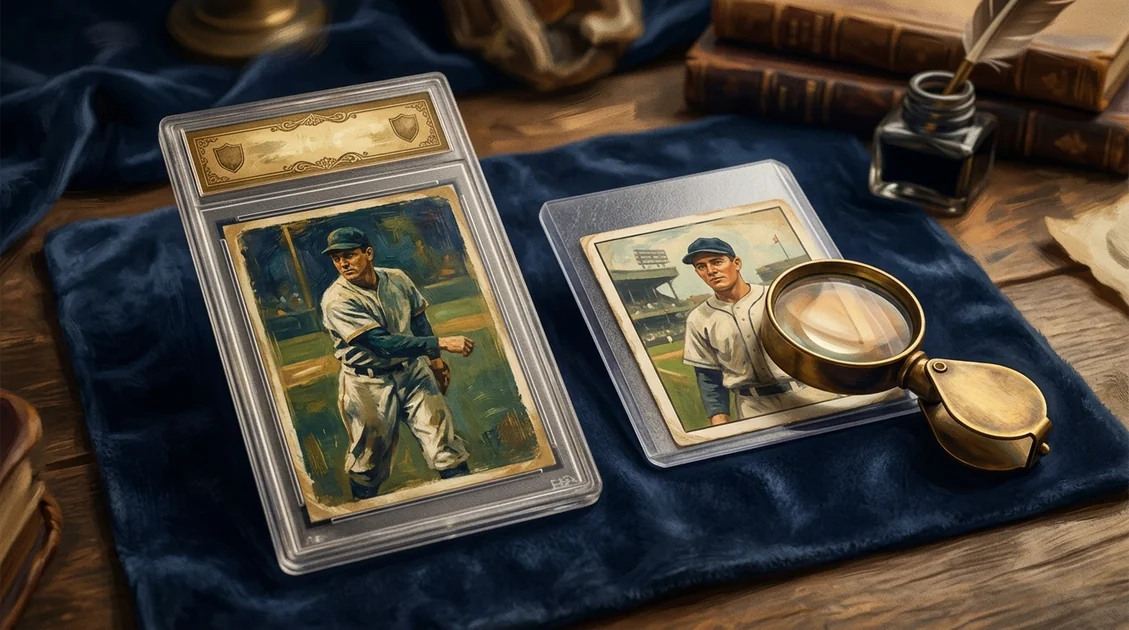
Is Grading Yu-Gi-Oh! Cards Worth It in 2026?
When PSA, BGS, and CGC grading pays off for Yu-Gi-Oh! collectors — the card-value thresholds that justify the $30–50 fee, and the cards where grading is actually a money-losing decision.
YuScan app · July 22, 2026
Grading a Yu-Gi-Oh! card costs $30–$50 at PSA, BGS, or CGC in 2026, plus shipping, plus 6–12 weeks of turnaround time. The decision of whether to grade a specific card is an arithmetic question: does the graded premium over the raw version exceed the grading cost plus opportunity cost? For some cards the answer is obviously yes. For most cards, surprisingly, the answer is no.
This guide covers the specific categories where grading pays off, the categories where it doesn’t, and the pre-submission evaluation process that protects you from submitting cards that will grade too low to recoup the grading fee.
When grading definitely pays off
Vintage 2002–2005 1st Edition Ultra Rares and Secret Rares. The grading premium on these cards is large. A raw 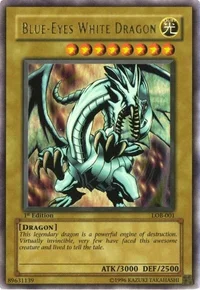 Blue-Eyes White Dragon LOB 1st Ed in apparent-NM condition might trade at $2,500–$4,000. The same card in PSA 10 clears $80,000+. The grading fee is rounding error against that gap. This category includes LOB, MRD, PSV, LON, LOD, PGD, and IOC 1st Edition Ultras/Secrets.
Current Quarter Century Secret Rares of meta-defining cards. QCSR prints of current meta staples trade at 10–30× the base Secret Rare price. PSA 10 graded copies command an additional 30–60% premium over raw. Grading fees are small relative to the gap.
Shonen Jump Championship prize cards and other unique promotional prints. Any card printed in runs of 50–500 copies (prize cards, specific promotional releases) benefits enormously from grading. The entire category exists in a graded-first market.
Cards with public PSA population reports below 100. Low population + high demand = grading premium. Check PSA’s population report before submitting; cards with population under 100 in PSA 10 typically command significant grading premiums.
When grading breaks even at best
Modern (2015+) Ultra Rares and Secret Rares of meta cards. A modern 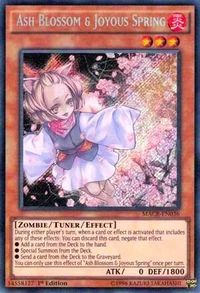 Ash Blossom & Joyous Spring Secret Rare in raw NM trades around $80. PSA 10 trades around $120. The $40 gap is roughly the grading fee. Break-even at best, and you wait 6–12 weeks for your money back.
Current-era structure deck chase cards. Similar math — small grading premium, not enough to overcome fees reliably.
2010–2015 era Secret Rares. The grading premium on cards from this middle era is the smallest in the hobby. Vintage commands a premium for scarcity; modern commands a premium for current play; the middle era has neither.
When grading loses money
Any card that will grade PSA 9 or below. PSA 9 raw market premium over NM raw is negligible. PSA 8 is often below raw NM market. If your card has visible edge wear, corner whitening, centering issues, or surface scratches, it will not grade 10. Submitting it is a losing decision.
Bulk commons and Rares. Even if they’d grade 10, the PSA 10 market for a $0.50 card is $3–$5. The grading fee is multiple times the sale price. Never.
Cards with reprints that crashed the original’s value. If your raw card is worth $200 only because of scarcity, and Konami recently announced a reprint, grading before the reprint hits the market is a race against time that usually loses.
The pre-submission evaluation checklist
Before you spend $40 per card on grading, evaluate the card yourself:
Centering. Look at the card under bright light from a flat angle. Measure the white border width on all four sides. Differences over 60/40 (top vs bottom, left vs right) will grade PSA 9 at best.
Corners. Under 10× loupe, check each corner for whitening, bending, or layer separation. Any visible corner flaw means PSA 9 maximum.
Edges. Run a fingertip along each edge. Any nick, fray, or whitening = PSA 9 maximum.
Surface. Under bright light at multiple angles, look for scratches, printing defects, or surface indentations. Any visible surface flaw = PSA 8 or 9 maximum.
Foil condition. For holo cards, check for foil scratching, clouding, or lifting. Foil damage is extremely common on vintage cards and severely affects grade.
Cards passing all five checks are PSA 10 candidates. Cards failing any one check are PSA 9 maximum — which usually means grading is not economically justified.
Which grading service
PSA — the industry standard. Highest population tracking transparency, highest typical resale premiums. Turnaround at economy service level is 6–8 weeks in 2026.
BGS (Beckett) — used to be preferred for modern cards; has lost market share since 2022. Still valid, sometimes faster, and BGS 9.5 with matching 9.5+ sub-grades can carry premium over PSA 10 in specific markets.
CGC — fastest turnaround in 2026, growing market acceptance. Premium over raw is still slightly below PSA for the same grade in most categories. Acceptable for cards you want to grade quickly.
For grail-tier cards (above $2,000 raw value), use PSA. For mid-tier cards where turnaround matters, CGC is an acceptable alternative.
How to submit
- Identify candidate cards using the pre-submission checklist above
- Cross-check PSA population reports for comparable sales (public at psacard.com)
- Calculate expected premium: (PSA 10 market — Raw market) — $40 fee — shipping
- Submit only cards where expected premium exceeds $75 (adds margin for PSA 9 downside risk)
- Ship in card savers (not toploaders), inside a team bag, inside a rigid outer package
- Wait 6–12 weeks
What to do with low-grade results
If a submitted card grades PSA 8 or lower, you have three options: sell it graded at the PSA 8 market, crack the slab and re-sell raw (loses the grading fee but recovers some value), or accept the slab and hold.
Cracking slabs on PSA 8s that you believed were PSA 10 candidates is a learning opportunity. Often the miss is edge wear or surface scratches that you didn’t see in your evaluation; examine the card under magnification after it comes back and note what you missed. This improves your pre-submission accuracy.
Who should grade, and who shouldn’t
Grade if: you own vintage 2002–2005 1st Editions in apparent-mint condition, you regularly buy current Quarter Century Secret Rares, you’re building a collection specifically as a preserved asset, or you plan to resell and want maximum liquidity.
Don’t grade if: most of your collection is modern mid-rarity cards, you play the cards regularly (slabs can’t be played), your cards have visible wear, or you need the cards liquid within 6–12 weeks.
On YuScan
Check any card's raw vs graded market on YuScan
Per-print pricing across TCGPlayer, Cardmarket, and eBay — including graded sales data for cards where the spread matters.
Scan every Yu-Gi-Oh! card. Track the whole collection.
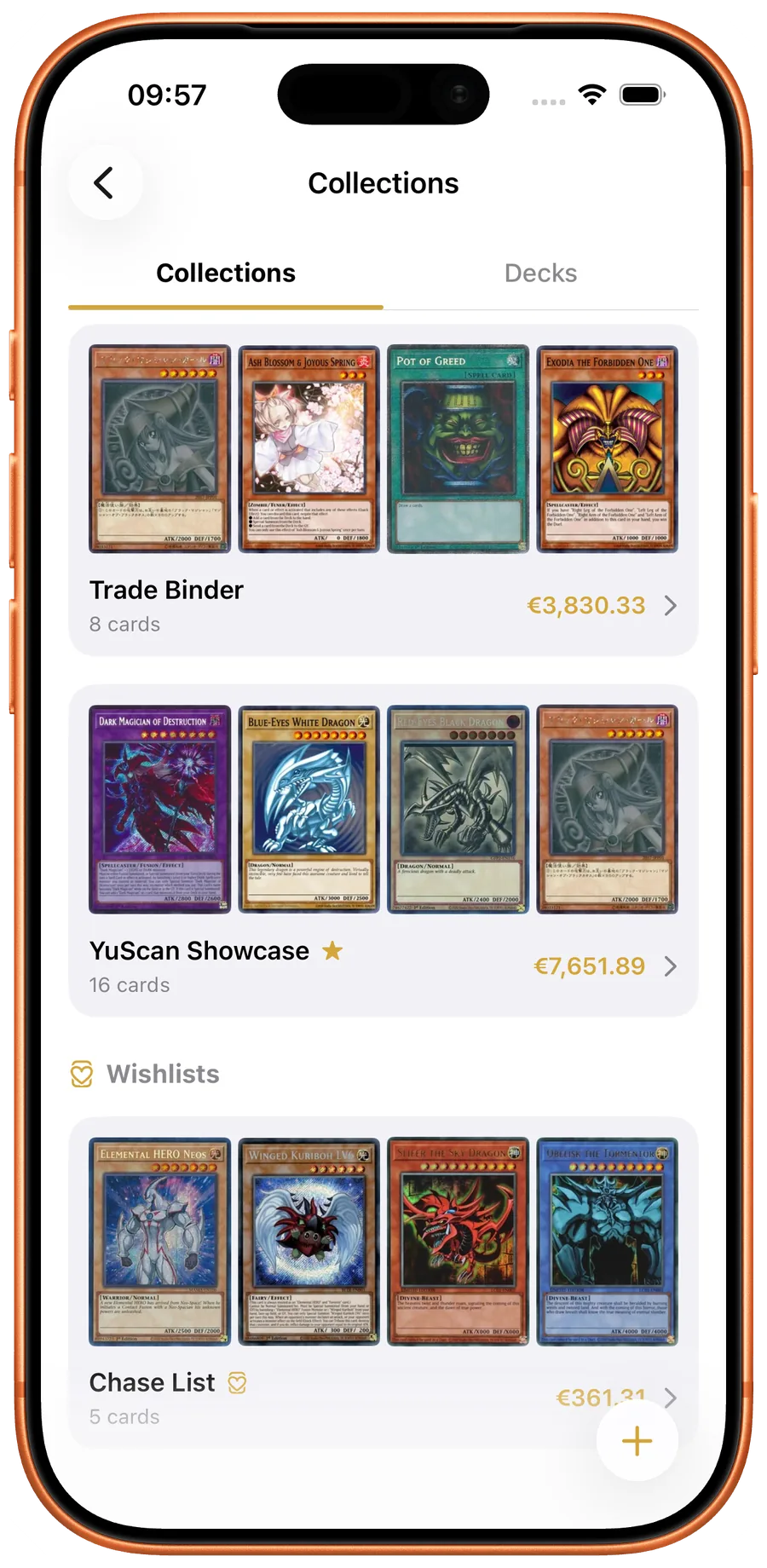
YuScan is the AI-powered Yu-Gi-Oh! card scanner, collection manager and price tracker for iOS. 13,000+ cards, every expansion since LOB, live prices from TCGPlayer, Cardmarket and eBay.
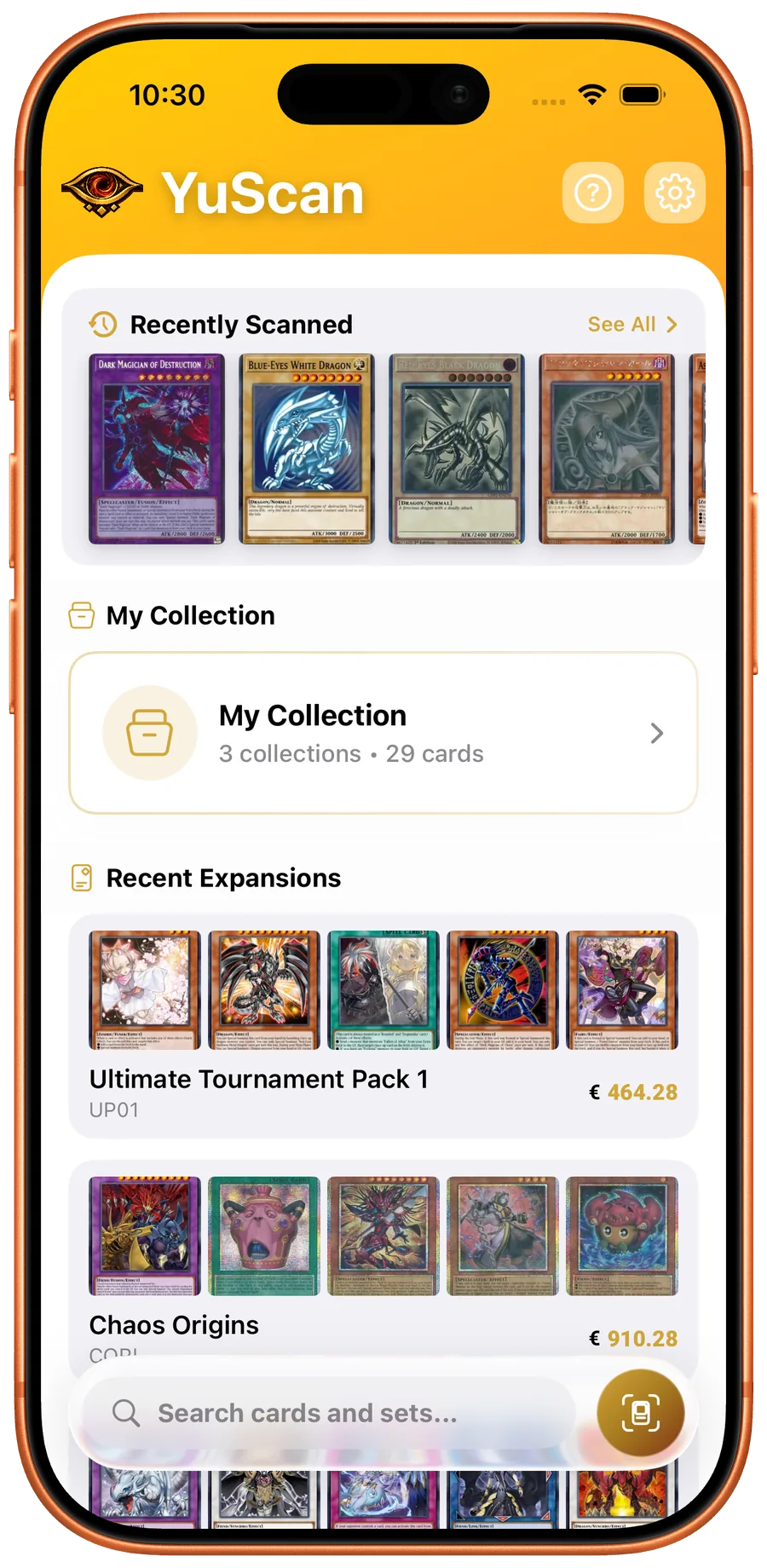
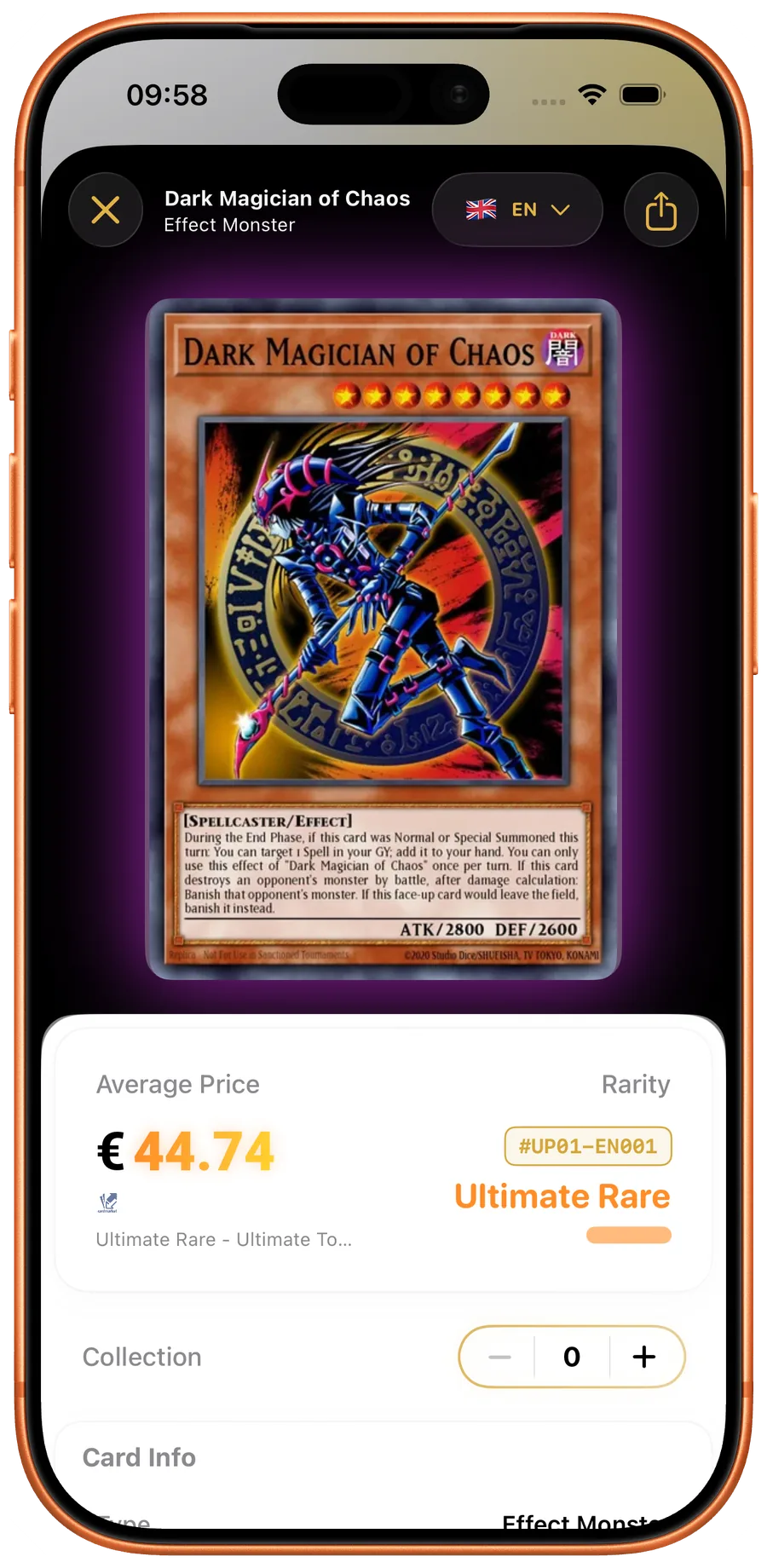
Track raw and graded market prices for every card in your collection inside YuScan — the app surfaces the grading premium automatically so you know when submission is worth the fee.