The 10 Best Yu-Gi-Oh! Structure Decks to Buy in 2026 (Ranked)
Structure Decks are the best $15 you can spend in Yu-Gi-Oh!. Here are the ten current Structure Decks worth buying — ranked by out-of-box playability, reprint value, and how well they upgrade into competitive builds.
YuScan app · July 2, 2026
Structure Decks are pre-constructed 40-card decks Konami releases at $15–$20 retail. Unlike booster boxes, where you pay for the random chance of pulling specific cards, Structure Decks are deterministic — every copy contains the same cards. For new players, returning players, and budget-conscious veterans, Structure Decks are the single best way to spend money in Yu-Gi-Oh!.
This list ranks the ten current in-print Structure Decks by practical value in April 2026. For context on sealed product category as a whole, see our sealed product ranking.
The ranking
Albaz Strike / Branded Fusion
The cheapest path to a competitive Tier 2 deck
Structure Deck built around 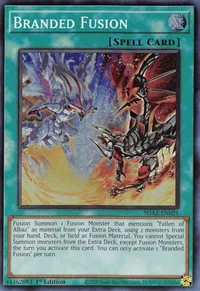 Branded Fusion and the Branded archetype. Includes core Branded Fusion pieces, multiple Bystial prints, and iconic Albaz-line monsters.
Why #1: Branded Despia is a Tier 2 competitive archetype. Two copies of this Structure Deck plus ~$200 of additional staples produces a deck that can top regionals. The upgrade path is the cleanest of any current Structure Deck.
Best for: any player wanting a competitive deck without paying $1,500+ for Snake-Eye. New players learning Fusion Summoning get a hands-on introduction.
Fire Kings Revenant
Modern FIRE-attribute build, Snake-Eye compatible
Built around 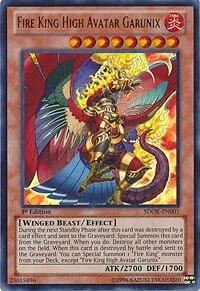 Fire King High Avatar Garunix and the Fire King archetype. Teaches the self-destruction loop mechanic and provides the core Fire King pieces for either pure Fire King or Fire King × Snake-Eye hybrid builds.
Upgrade path: two copies of this deck + Snake-Eye Ash + Divine Temple of the Snake-Eye unlocks the Snake-Eye Fire King hybrid that competes at Tier 1 levels. One of the most efficient structure-deck-to-meta paths available in 2026.
Kashtira's Invasion
Aggressive Xyz control, budget-meta viable
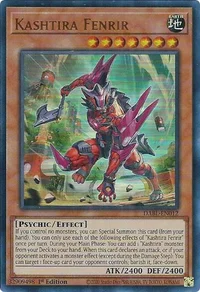 Kashtira Fenrir anchors a deck built around Xyz Summoning and the Kashtira zone-lock strategy. Post-banlist Kashtira has dropped in price and the Structure Deck is an affordable entry point into Xyz-focused play.
Teaches Xyz Summoning hands-on for new players. Upgrades into either pure Kashtira (Tier 3 today but historically Tier 1) or splashes into Snake-Eye / Fiendsmith hybrid builds.
Legend of the Crystal Beasts
Nostalgia archetype with budget structure revival
Rebuild of the Crystal Beast archetype from the GX era. Includes every core Crystal Beast monster plus modern support. Not competitive in 2026 but heavily enjoyed by players who remember the archetype from Yu-Gi-Oh! GX.
Best for: nostalgic returning players, casual collectors, players who want a complete functional archetype in a single box.
Runick Labrynth
Two budget Tier 2 archetypes in one box
Combined support deck for 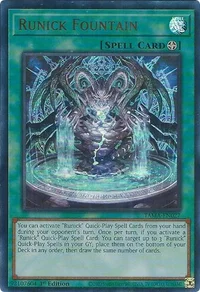 Runick Fountain and
 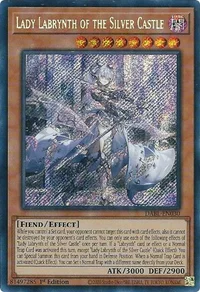 Lady Labrynth of the Silver Castle — the two cheapest genuinely-competitive archetypes in the 2026 meta. Includes core cards for both archetypes, allowing players to experiment with each before committing.
Best for: budget-focused competitive players deciding between Runick or Labrynth. The deck doesn’t produce a full build of either archetype alone but provides the core pieces at Structure Deck pricing.
Dark Magician Arena
Iconic archetype with modern support
Includes 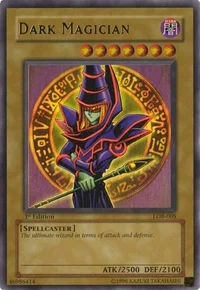 Dark Magician,
 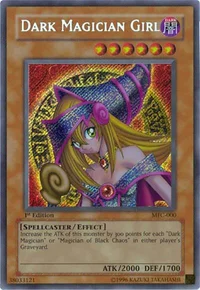 Dark Magician Girl, Magicians’ Souls, Eternal Soul, and the Illusion Magic package. Modern Dark Magician has steady support and the Structure Deck reprints the core pieces at accessible prices.
Not competitive at the top tier but playable at locals. Highly recommended for players attached to the archetype — Dark Magician is Yugi Muto’s signature monster and the card nostalgia value is genuine.
Blue-Eyes White Destiny
Blue-Eyes modern support in one box
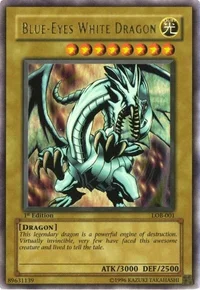 Blue-Eyes White Dragon and modern Blue-Eyes support including the Dragon Spirit of White, Deep-Eyes White Dragon, and the Hieratic crossover engine. Builds into a rogue-competitive Blue-Eyes deck with 1–2 staple purchases.
Mid-tier competitive but fully functional. Essential for Blue-Eyes collectors and returning players who grew up on the original anime.
Red-Eyes Empire
Red-Eyes modern rebuild
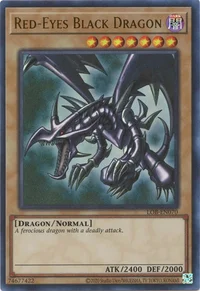 Red-Eyes Black Dragon and Red-Eyes archetype support. Red-Eyes has gotten steady support through 2023–2025 and the archetype is playable at locals despite not being Tier 1 or Tier 2 competitively.
For Joey Wheeler nostalgia or players looking for a mid-tier Warrior / Dragon hybrid.
Elemental HEROes Evolution
Classic archetype, modern power additions
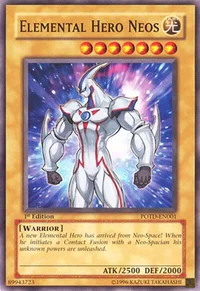 Elemental Hero Neos anchors an Elemental HERO rebuild with modern Destiny HERO support (via
 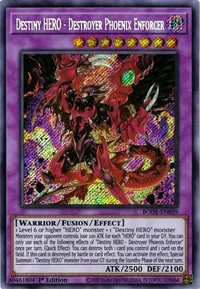 Destiny HERO - Destroyer Phoenix Enforcer). Destiny HERO Destroyer Phoenix Enforcer is a legitimately strong modern Fusion target and pushes the deck into tier-3 competitive play.
Most rewarding Structure Deck for players wanting both nostalgia (Elemental HEROes) and modern power (Destiny HERO Destroyer Phoenix Enforcer).
Cyber Strike
Classic Cyber Dragon reprint
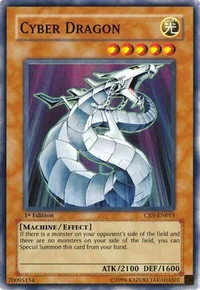 Cyber Dragon and modern Cyber Dragon Fusion support. Builds a functional but mid-tier Cyber Dragon deck. Nostalgic for players who remember the 2005 Cyber Dragon dominance; competitively budget-tier in 2026.
Cheap entry into a classic archetype with moderate modern upgrade potential.
On YuScan
Every Structure Deck release, indexed
Browse Konami's Structure Deck release history on YuScan — every release since 2004 with full card lists and price history.
How to use this list
For brand-new players: buy rank #1 or #2 first. Open it, shuffle it, play it as-is against friends or locally. Don’t immediately try to upgrade — the out-of-box deck teaches you the archetype’s core plays.
For returning players: buy a Structure Deck that matches your era. If you played in 2002–2005, rank #6 or #7 brings back familiar faces with modern power. If you want to compete at a local level, rank #1 or #2 produces a competitive build faster than any other path.
For budget-competitive players: the Runick/Labrynth combination at rank #5 is the cheapest path to regional-viable competitive play. Budget total including hand traps: under $250.
For collectors: Structure Decks are the cheapest way to acquire modern reprints of iconic cards. If you want a playable Dark Magician deck, rank #6 is more cost-effective than buying singles.
Upgrade paths
Each Structure Deck has a defined upgrade path to either a more powerful version of the same archetype or a competitive hybrid. General rules:
Buy 2 or 3 copies of the same Structure Deck. Most competitive builds use 2–3 copies of key Structure Deck cards. Buying one copy gets you playable; buying three copies gets you competitive.
Add hand traps. No matter which archetype, you need at least 8–12 hand traps to compete. See our hand trap ranking for specific recommendations.
Add matchup-specific tech. After playing 20+ games with the out-of-box deck, you’ll know which matchups you struggle against. Buy tech cards targeted at those matchups — not a wide collection of every tech card in the format.
Don’t upgrade into a different archetype immediately. Play the Structure Deck archetype for 2+ months before committing to a new direction. The archetype familiarity matters more than raw power at the early-learner stage.
What Structure Decks DON’T include
Every Structure Deck on this list is missing:
- A competitive side deck (assemble separately, ~$50–$100)
- Core hand traps (assemble separately, $100–$200 for a full suite)
- Expensive staples like 1st Edition Quarter Century versions of key cards (cosmetic only)
- The current-format specific engine cards (Fiendsmith, Bystial, etc. — purchased as singles)
The Structure Deck provides 40–60% of a competitive build depending on archetype. The remaining 40–60% is singles.
Scan the cards on this list. Watch the prices move.
YuScan identifies any Yu-Gi-Oh! card in under a second and tracks live prices across TCGPlayer, Cardmarket and eBay per print run — so a 1st Edition and an Unlimited don't get averaged into a meaningless number.

Track every card in every Structure Deck on YuScan — see current market prices per card, identify reprint history, and calculate the total value of any sealed product before you buy.