A Yu-Gi-Oh! Beginner's Guide for 2026
Starting or returning to Yu-Gi-Oh! in 2026 — which format to play, what to buy first, which apps to use, and how to avoid the $500 mistakes most new players make.
YuScan app · April 22, 2026
Yu-Gi-Oh! in 2026 is a deep, fast, 20+-year-old game that can absorb as much money as you throw at it. The difference between a new player who has fun and a new player who quits frustrated after three months is usually the first $200 they spend. This guide covers what to buy, what to skip, and how to navigate the ecosystem without overpaying.
Whether you’re completely new or returning after a multi-year break, the onboarding path is roughly the same. The rules have changed less than you’d think; the meta and card pool have changed more.
Step 1: pick a format
Yu-Gi-Oh! has several distinct formats in 2026:
Advanced (TCG) — the mainline competitive format. Full modern card pool, quarterly banlist updates. This is what most “Yu-Gi-Oh!” discussion refers to. Most tournaments and most online discussion live here.
Master Duel — Konami’s digital-only format. Free to play, separate banlist from the TCG, excellent for learning modern Yu-Gi-Oh! rules without buying cards. Our Master Duel vs Paper explainer covers the differences.
Speed Duel — a simplified format with a smaller card pool, faster games, and a more casual feel. Good for casual play and kitchen-table games.
Goat Format — competitive nostalgia format frozen at the April 2005 banlist. Played at specialty events. Requires vintage-era cards.
Edison Format — similar concept to Goat, frozen in 2010. Also specialty event only.
For a new player, the decision is usually Master Duel vs paper Advanced. Master Duel is free and teaches you the rules. Paper Advanced is where the community and local events live. Most serious players do both.
Step 2: learn the rules
Modern Yu-Gi-Oh! is considerably more complex than the 2002–2005 version many returning players remember. Key additions since the early era:
Synchro Summoning (2008) — tune a Tuner monster with non-Tuners to summon from the Extra Deck based on combined levels.
Xyz Summoning (2011) — stack monsters of the same level to summon a Rank-based monster from the Extra Deck.
Pendulum Summoning (2014) — a parallel summoning mechanic using scale values; less central to modern meta.
Link Summoning (2017) — summon Link monsters by tributing specific numbers of monsters; Link monsters have Link Arrows that determine Extra Monster Zone usage.
New Chain/Priority rules — modern Yu-Gi-Oh! handles chains differently than the 2002 rules. Read the current Problem-Solving Card Text (PSCT) rules before you play competitively.
Best way to learn: play Master Duel for 10–20 hours. The rules enforcement is automatic, the tutorial is reasonable, and you’ll see modern summoning mechanics in action without buying cards.
Step 3: buy a Structure Deck (or two)
After you understand the rules, buy a current Structure Deck for $15–$20. Structure Decks are 40-card preconstructed decks designed to be playable out of the box. They’re the best $15 you can spend in Yu-Gi-Oh!.
Recent Structure Decks that are beginner-friendly in 2026:
- Dragonmaid-focused (strategy that plays similar to early-era Yu-Gi-Oh! but with modern mechanics)
- Albaz / Branded (teaches Fusion Summon and extra-deck gameplay)
- Fire King (teaches self-destruction combos)
- Kashtira (teaches the Xyz zone-lock archetype)
Buying one Structure Deck gives you a playable deck. Buying two copies of the same Structure Deck gives you enough duplicate cards to build a more-competitive version of the same archetype. Most competitive builds start from 2–3 copies of the relevant Structure Deck.
Step 4: pick an archetype to commit to
After a few Structure Decks, you’ll know which playstyle appeals to you. Time to pick an archetype and commit.
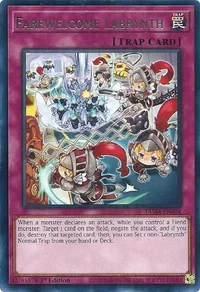
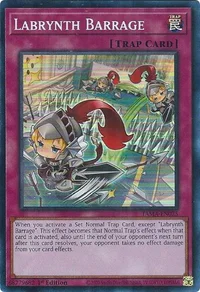
For budget-focused players: 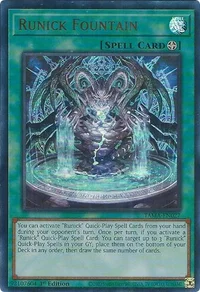 Runick Fountain-based Runick ($120) or
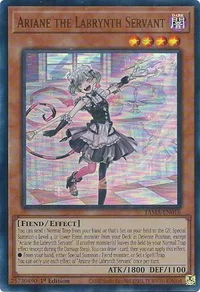
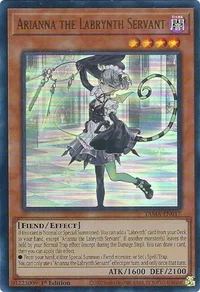
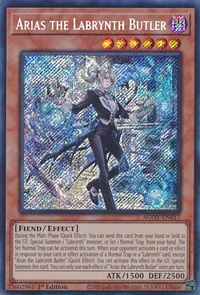
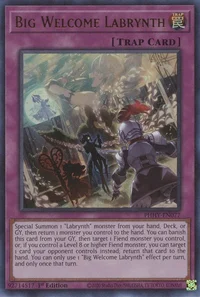
 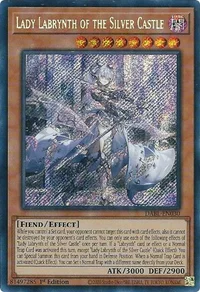 Lady Labrynth of the Silver Castle-based Labrynth ($180) are the two best Tier 2 archetypes under $200. Both are competitive at the regional level.
For mid-budget ($400–$600): 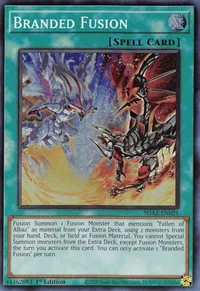 Branded Fusion-based Branded Despia or the Sky Striker / Fiendsmith control decks are good choices.
For high-budget ($1,200+): 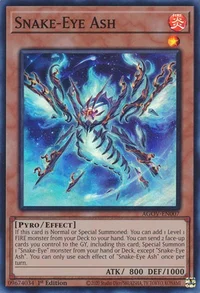 Snake-Eye Ash-based Snake-Eye builds are the current Tier 1 deck.
Our budget deck ranking covers every competitive archetype under $200. Our meta tier list covers what’s winning tournaments now.
Step 5: invest in protection before chase cards
A common new-player mistake: buying a $200 chase card before buying $10 of sleeves. Any card worth $5+ should be sleeved. Any deck you play with regularly should be double-sleeved.
Minimum protection kit for any player:
- Perfect-fit inner sleeves (~$4 per 100)
- Standard tournament outer sleeves (~$8 per 100)
- A deck box (~$20)
- A binder or storage box for spare cards (~$25)
Our card protection guide has specific recommendations.
Step 6: find a local
Yu-Gi-Oh! is more fun played against other people. Find a local card shop that runs weekly Yu-Gi-Oh! events — most game stores do, though schedules vary. Events are typically $5–$10 entry and last 2–4 hours.
Benefits of playing locals:
- You learn matchups against decks you don’t play
- You build reading-the-meta skills
- You find trading partners for cards you need
- You develop judgment about which combos are strong enough to commit to
Online play (Master Duel or Dueling Book) has its place, but the community and skill development at locals is genuinely valuable.
What to skip as a beginner
Buying sealed booster boxes. Singles are always cheaper. A $75 box gives you roughly $50 of cards on average; $75 spent on singles of cards you actually want is a strictly better outcome.
Chasing Quarter Century Secret Rares. The most expensive rarity tier is collector tax. Buy the Common, Super, or Ultra version of the card. Your tournament performance will not differ.
Building multiple archetypes simultaneously. Commit to one deck. Learn its matchups. Play it for 30+ games before considering a second archetype. New players who spread across 3 archetypes usually quit before getting good at any.
Vintage buying without education. A 1st Edition LOB Blue-Eyes is a $10,000+ card. A counterfeit 1st Edition LOB Blue-Eyes is a well-made $100 card that fools most casual inspectors. If you want vintage, educate yourself first and buy graded.
Paying subscription fees for tier list sites. Free resources — public deck databases, community meta trackers, and YouTube coverage of major events — cover everything subscription services offer.
On YuScan
Browse every archetype
Find an archetype that matches your playstyle — 620+ archetypes with full card lists on YuScan.
Recommended first-month path
Week 1: Install Master Duel. Complete the tutorial. Play 10+ games using the starter decks.
Week 2: Buy one current Structure Deck. Play 10+ games at home or at locals using the out-of-box version.
Week 3: Identify an archetype that appeals to you. Research the competitive build on YuScan’s archetype pages. Budget the full build cost.
Week 4: Buy protection first (sleeves, deck box, binder). Buy the budget archetype build. Play 15+ games with the deck.
After one month, you have a legal deck, know the current rules, understand your chosen archetype at a basic level, and have played enough to know what to prioritize next.
The short version
Start cheap. Learn on Master Duel. Buy structure decks before boxes, singles before sealed, protection before chase cards. Commit to one archetype. Play locals. Revisit this guide in six months and ignore most of it — you’ll know what matters by then.
Scan every Yu-Gi-Oh! card. Track the whole collection.
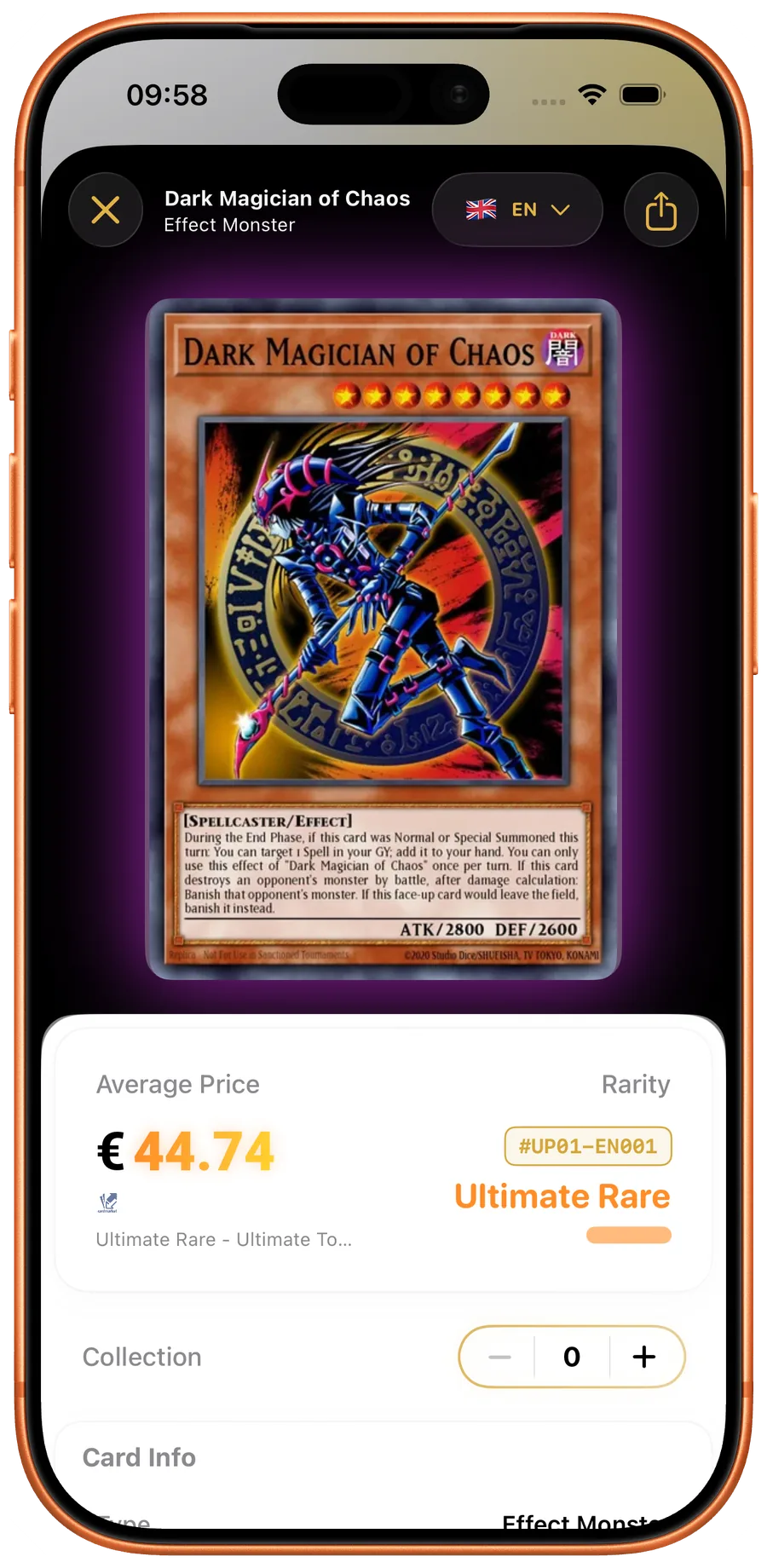
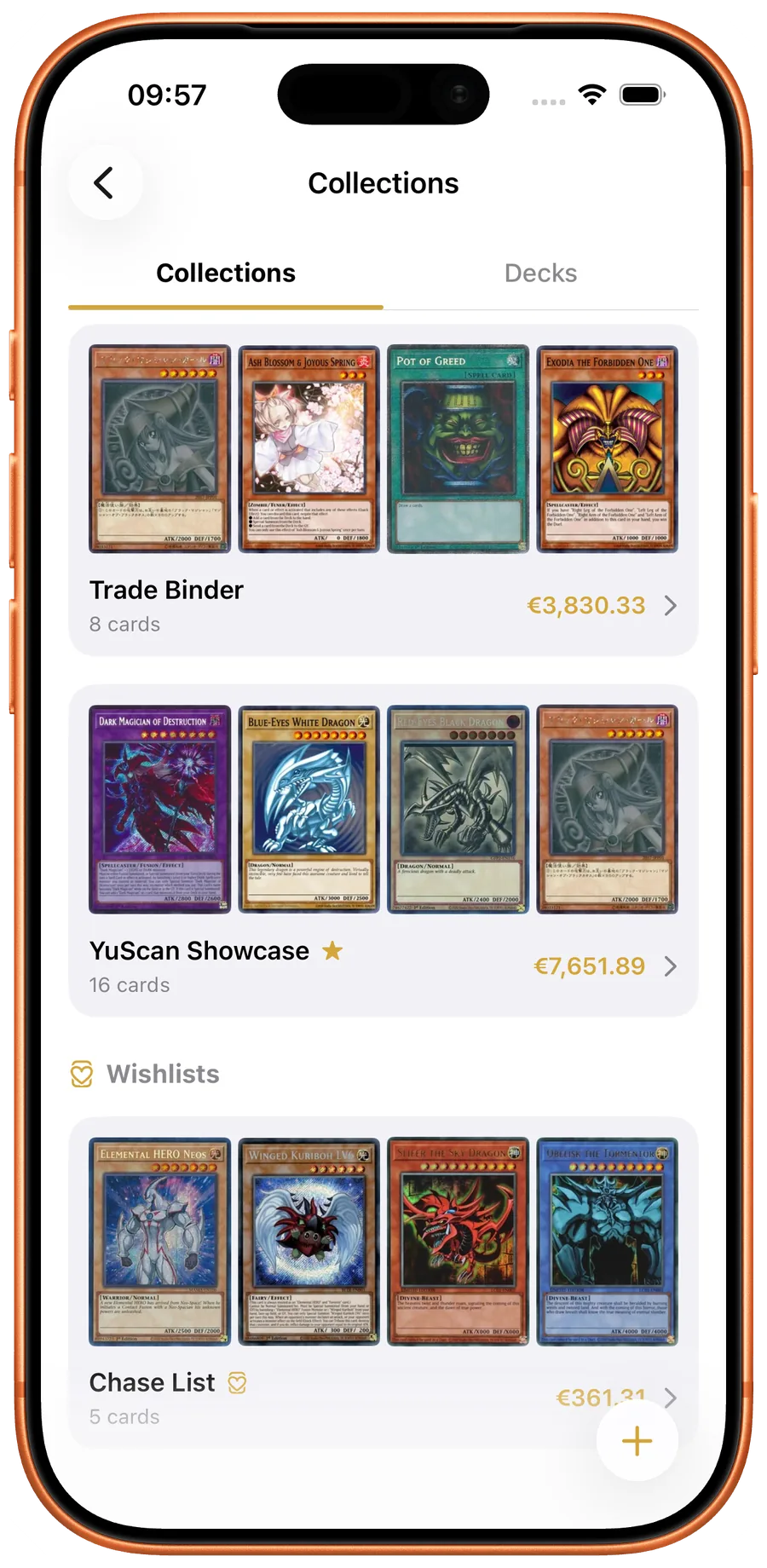
YuScan is the AI-powered Yu-Gi-Oh! card scanner, collection manager and price tracker for iOS. 13,000+ cards, every expansion since LOB, live prices from TCGPlayer, Cardmarket and eBay.
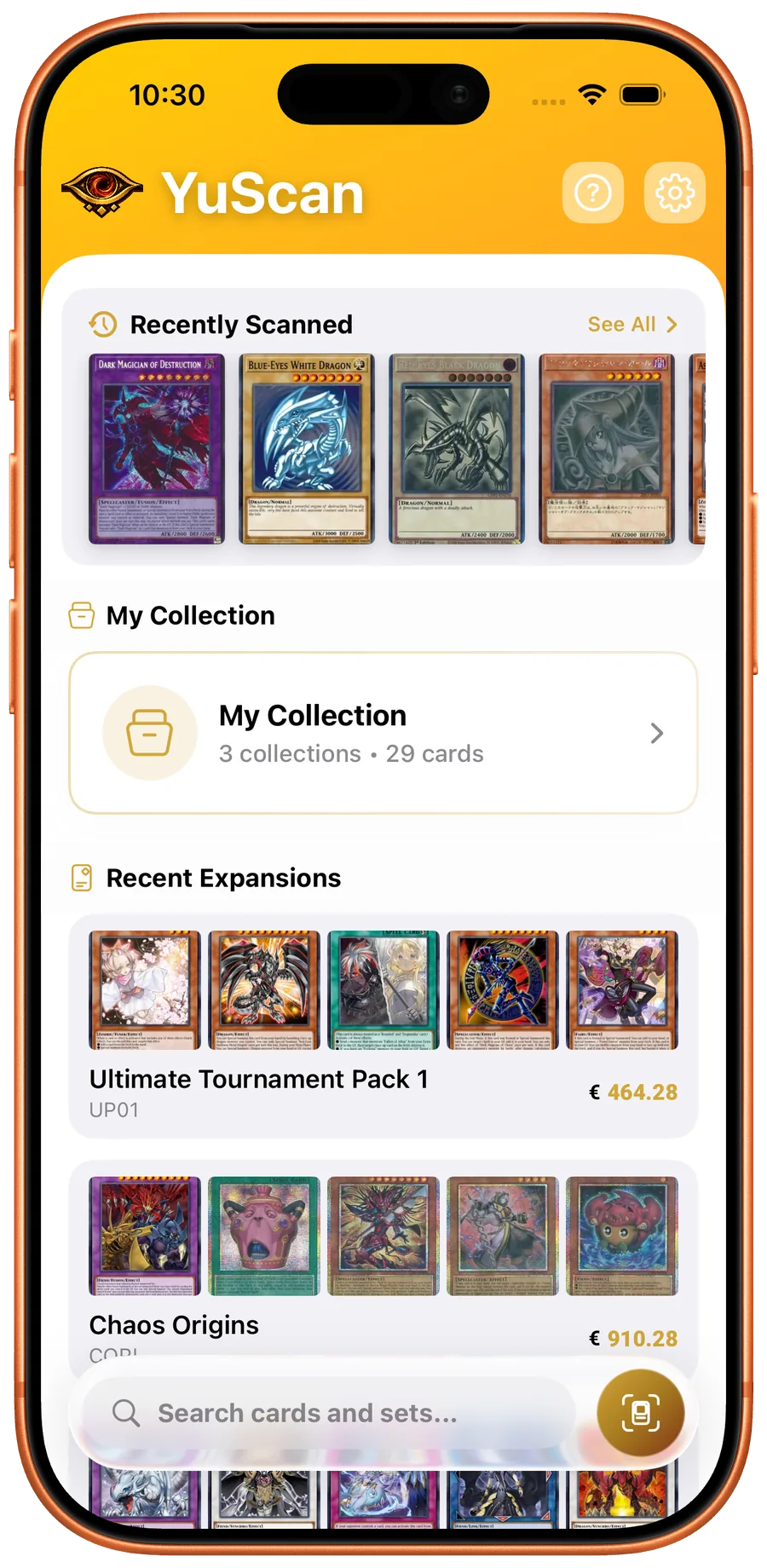
Scan your collection into YuScan as you build it — the app tracks deck composition, card values, and format legality so you know exactly what you own and what it’s worth.