Yu-Gi-Oh! Trade Binder Etiquette (Don't Be That Guy)
The unwritten rules of Yu-Gi-Oh! trading in 2026 — binder organization, pricing conventions, and the specific behaviors that get you blacklisted from local trade communities.
YuScan app · August 4, 2026
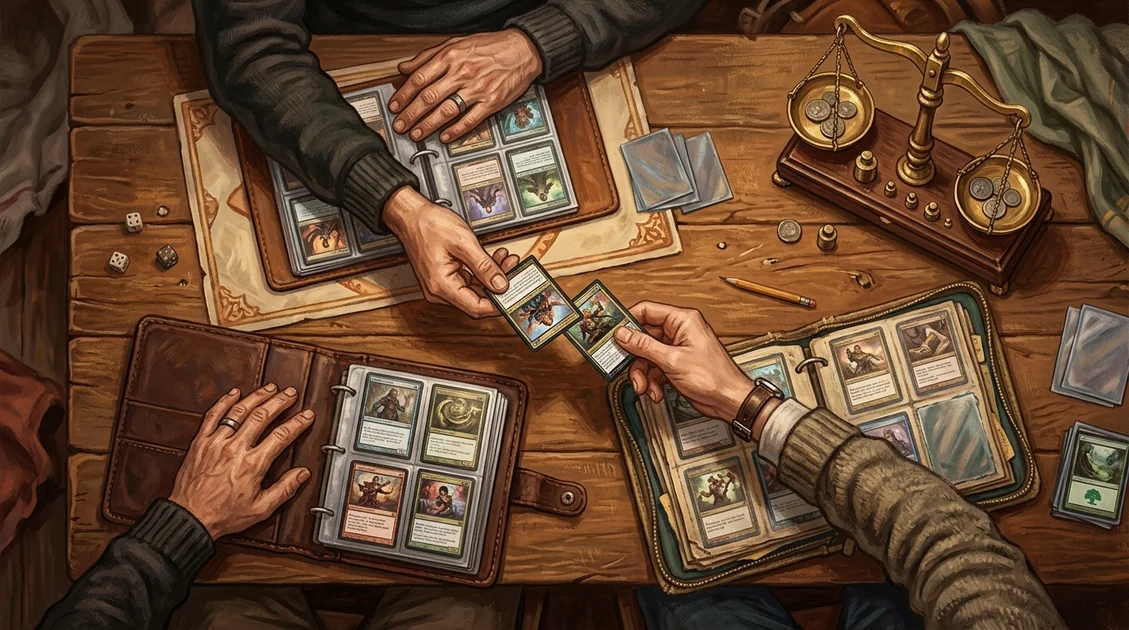
Yu-Gi-Oh! has one of the most active trade communities of any TCG. Most serious players trade at locals, regionals, and online at least occasionally — and a small subset do most of their card acquisition via trade rather than purchase. The unwritten rules of Yu-Gi-Oh! trading are mostly about avoiding being the person nobody wants to trade with. These rules aren’t formal, they aren’t published anywhere, and violating them enough times results in quiet blacklisting from local scenes.
This guide covers the etiquette that matters in 2026, for both new traders and returning players who may have internalized rules from an older era.
Before you trade
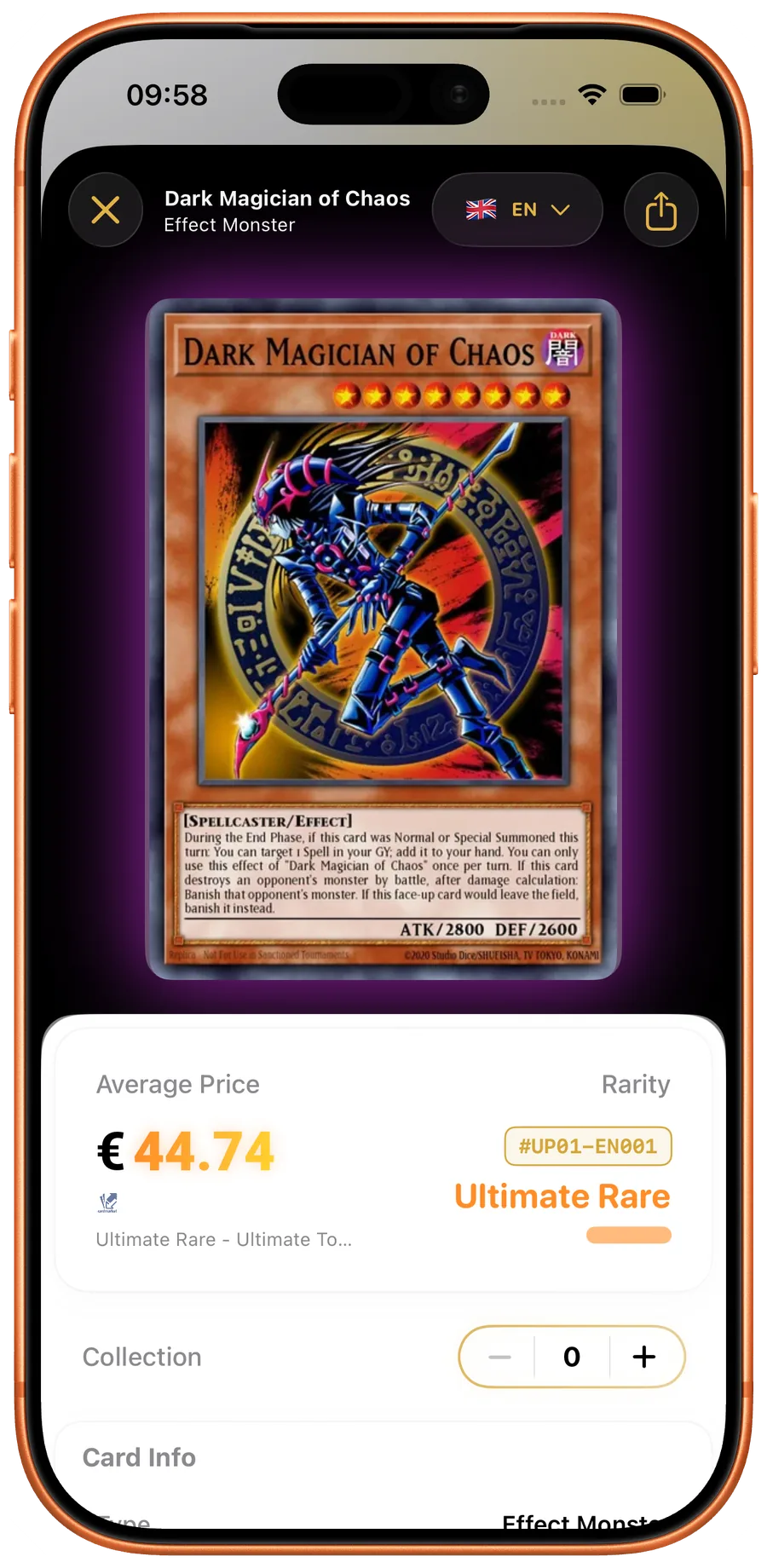
Know your prices. Check TCGPlayer market for every card you’re offering or wanting before the trade conversation starts. Trading based on “I think this is worth around $20” is a reliable way to either undersell your cards or overvalue them and end up disappointed. YuScan’s per-print pricing makes this easy — scan the card, see the current market.
Know your prints. A 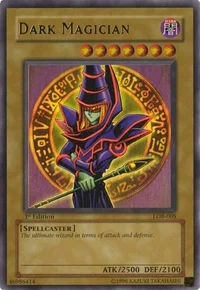 Dark Magician isn’t just Dark Magician. Is it the LOB 1st Edition? The Structure Deck reprint? The Quarter Century Secret Rare? The print determines the price, and the trade value differs by 100× between versions.
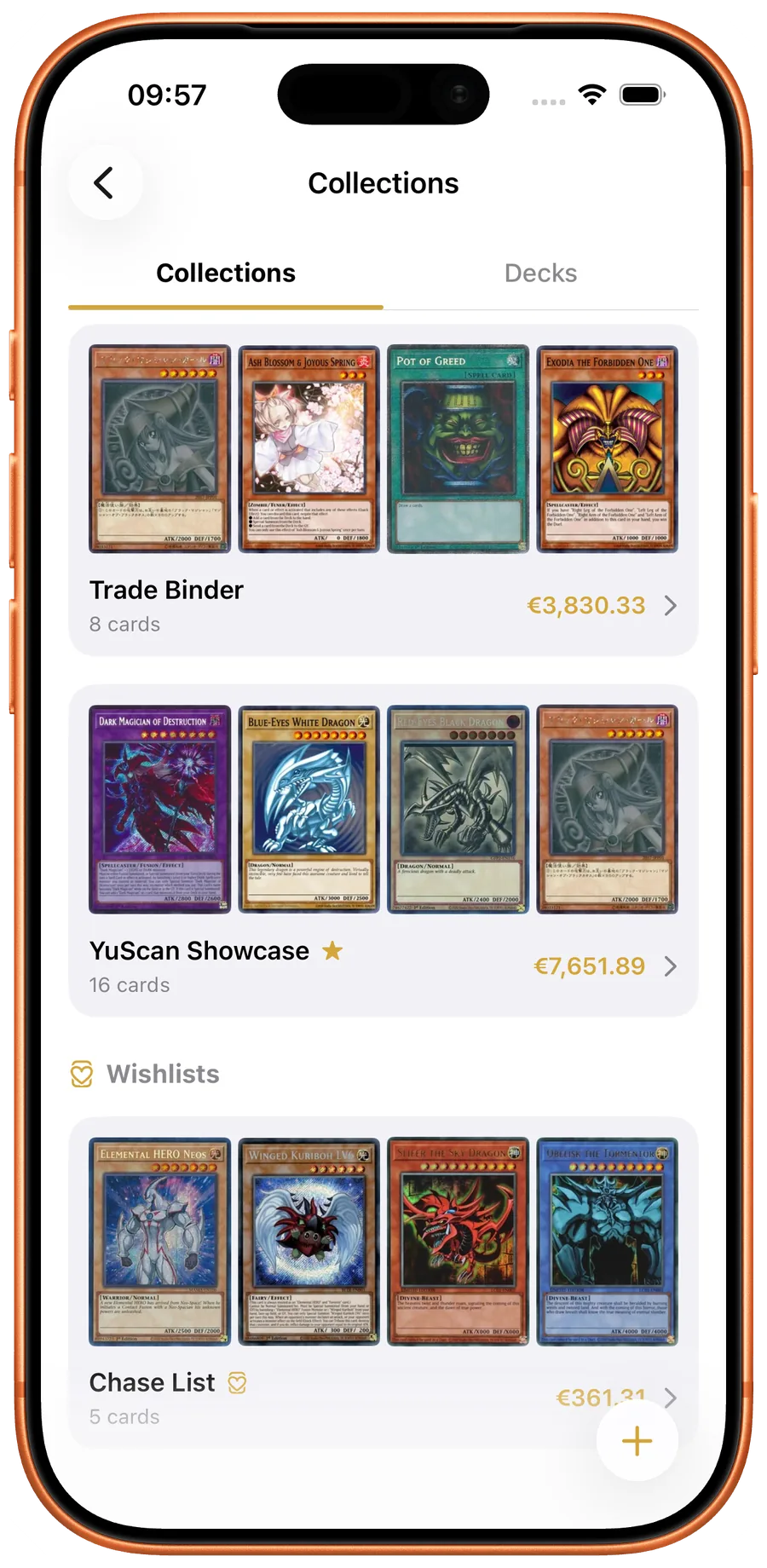
Organize your binder. A well-organized binder with cards sorted by archetype, set, or rarity signals that you’re a serious trader. A shoebox with cards jumbled together signals you’re either new or lazy, and reduces trade value of your cards in practice even if they’re in the same physical condition.
Have a wantlist. Know what you’re trying to acquire. Traders who show up and “see what’s available” without a wantlist take longer and produce worse deals for everyone.
At the trade table
Handle cards carefully. Don’t pull cards out of sleeves unless both parties are ready to examine them specifically. Don’t lay cards flat on a trade table that might have crumbs or spills. Keep cards sleeved during evaluation and only unsleeve under controlled conditions if condition verification requires it.
Let the other party evaluate. If they want to loupe your card or inspect corners, give them time and space. Don’t rush evaluation — trading is about both parties being satisfied, and rushed inspections lead to regrets later.
Don’t pressure a trade. “Come on, this is a fair deal” is a tell that the deal probably isn’t fair. Good trades don’t need pressure.
Know when to walk away. If the other party is evaluating cards way above their claimed price, or offering their cards way below market, the trade isn’t going to complete. Politely decline and move on.
Pricing conventions
Match TCGPlayer market to TCGPlayer market. If you’re offering $50 of market value, the other side should also offer $50 of market value. Straight even trades are the cleanest.
Fee-adjustment by consent. Some traders discount their outgoing cards by 10–15% of TCGPlayer market to reflect the fact that the other party would otherwise have to buy from a seller who takes a cut. This is a negotiated norm, not a rule — some trade communities use it, others don’t. Ask before assuming.
Cash differential with agreement. If the trade values don’t match exactly, cash or PayPal can bridge the gap — but both parties need to agree to this format before finalizing. Some traders won’t do cash-inclusive trades at all. Respect the preference.
Don’t lowball. Offering $30 of market value against $50 of requested value isn’t a trade; it’s an attempt to extract value from someone who’s too polite to say no. Traders remember lowball offers.
What not to do
Don’t claim a card is NM when it’s LP. Condition disputes are the #1 cause of trade reputation damage. If you’re not sure what condition your card is in, have the other party inspect and agree before finalizing.
Don’t hide defects. If there’s a printing flaw, edge wear, or a corner issue, disclose it upfront. Hidden defects discovered post-trade destroy reputation.
Don’t use “price memory” — actually look up prices. Yu-Gi-Oh! prices move fast. A card that was $30 three months ago might be $10 or $80 today. Use live prices, not remembered prices.
Don’t trade for cash-only value then dump cards. Some traders do “trade today, sell tomorrow” workflows and crash local prices by flooding the market. This destroys trust over time and damages the local scene for everyone.
Don’t bring unsleeved high-value cards. Anything worth more than $10 should be sleeved when it’s in your binder or on a trade table. Unsleeved high-value cards signal carelessness and make other traders nervous.
Don’t proxy-trade without explicit disclosure. If you’re offering a proxy card (not a real printing), disclose it clearly before the trade is negotiated. Proxy confusion in trades is serious reputation damage.
Trading online
Online trading via r/ygotrade, Discord communities, and Facebook groups has specific additional norms:
Use trusted middleman for high-value trades. Any trade above ~$500 in total value should either go through an established middleman or require both parties to use authenticated shipping with signature confirmation. Do not do $500+ trades on trust alone with someone you’ve never interacted with.
Ship promptly and correctly. Card savers inside team bags inside rigid envelopes. Tracking on every shipment. Shipping the wrong way once can destroy your online reputation permanently.
Update your feedback/rep thread. Most communities have feedback mechanisms. Use them — both giving and receiving feedback builds the reputation that lets you trade larger values over time.
Timestamp your reference photos. When confirming a trade online, include a photo of the cards with a handwritten timestamp slip. This confirms you actually own the cards at the time of the trade and prevents common scam patterns.
Reputation
Reputation in Yu-Gi-Oh! trading is real and persistent. Local scenes remember who offered bad trades three years ago. Online communities have feedback histories going back a decade. Every trade you do either builds or damages reputation.
Good traders:
- Price accurately, every trade
- Disclose condition and defects upfront
- Ship promptly on online trades
- Handle disputes quickly and fairly
Bad traders:
- Claim cards are in better condition than they are
- Try to pass off reprints as vintage prints
- Ghost online trades that start going badly
- Lowball repeatedly
Build your reputation slowly by doing many small trades correctly before trying large trades. Traders with 50+ successful small trades can trade $1,000+ cards on trust; new traders can’t.
When to walk away entirely
Some trades shouldn’t happen. Signals that a trade is going to end badly:
- The other party refuses to let you inspect cards before finalizing
- Prices they’re quoting for their cards don’t match public markets
- They’re in a rush or pressuring you to decide quickly
- They won’t meet in a neutral public space (for in-person trades above $200)
- Their “reference photos” online look edited or inconsistent
- Multiple community members have posted negative feedback about them
Trust those signals. Walk away. You’ll find better trades from better partners.
On YuScan
Price every card before you trade
YuScan's per-print pricing across TCGPlayer, Cardmarket, and eBay — scan before you trade.
The short version
Price accurately using current market data. Organize your cards professionally. Handle them carefully. Disclose condition honestly. Build reputation slowly. Walk away from bad actors. Trade a lot of small trades before one big trade. The community remembers.
Scan every Yu-Gi-Oh! card. Track the whole collection.
YuScan is the AI-powered Yu-Gi-Oh! card scanner, collection manager and price tracker for iOS. 13,000+ cards, every expansion since LOB, live prices from TCGPlayer, Cardmarket and eBay.
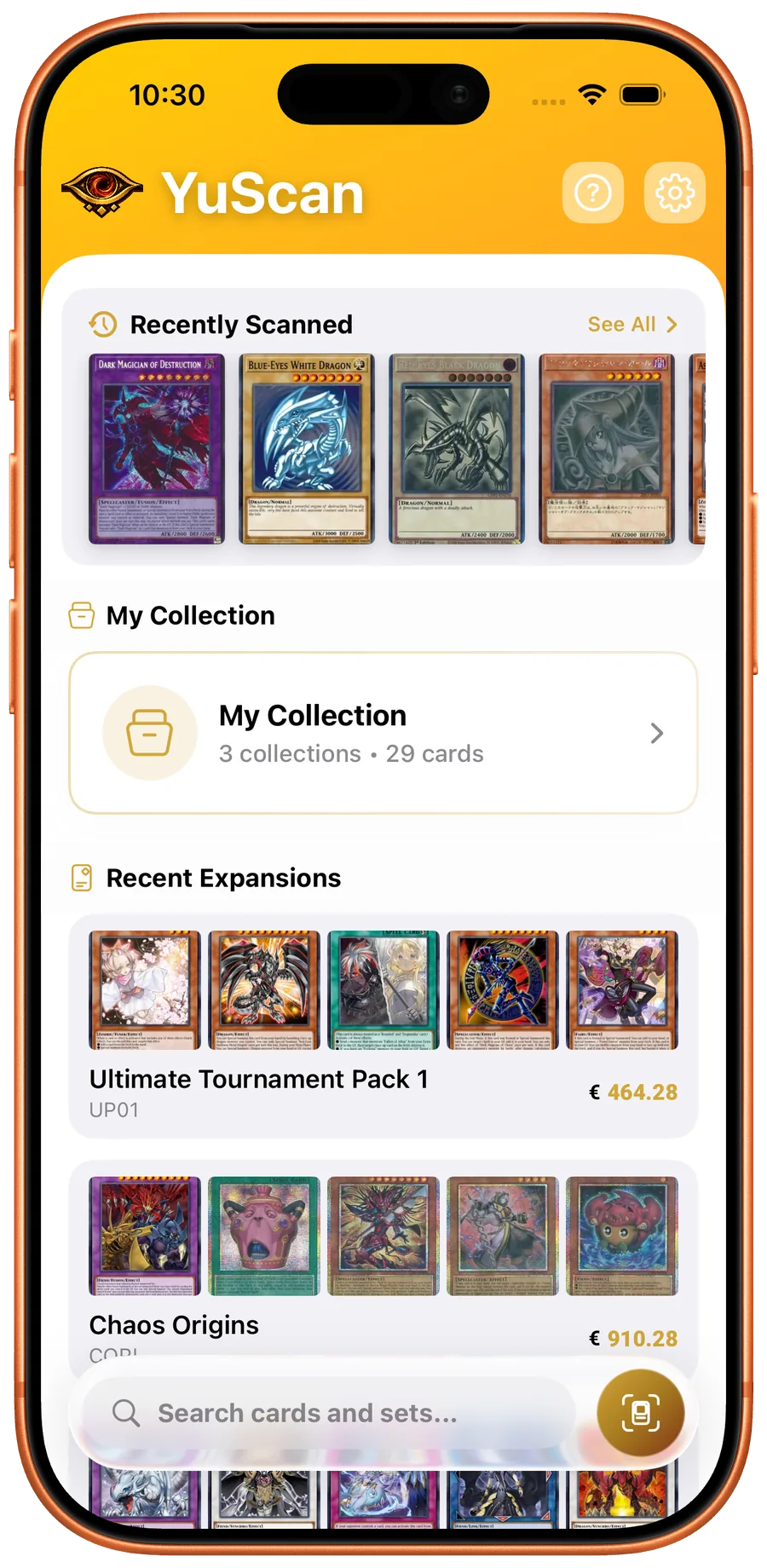
YuScan scans and prices cards before every trade — so you know exactly what you’re offering and what you’re receiving, per print, at current market.