Every Yu-Gi-Oh! Monster Type Explained (Dragon, Warrior, Spellcaster, and the Other 22)
Yu-Gi-Oh! has 25 monster types. Here's what each one actually means, which archetypes use which types, and why some types have 1,000+ cards and others have fewer than 50.
YuScan app · May 7, 2026
Every Yu-Gi-Oh! monster has a type — Dragon, Warrior, Spellcaster, and 22 others — printed just below the card name. Type matters for exactly the same reason attribute matters: a large share of the game’s support cards check type as an activation condition. Gravekeeper’s Commandant only searches Spellcaster-types. Dragon Ravine only works in a Dragon-heavy deck. The Ogdoadic archetype supports Reptile-type monsters specifically.
This guide covers the 25 monster types in Yu-Gi-Oh!, their approximate pool sizes, and which archetypes anchor each type. For complete type distribution by card count, YuScan’s card database filters by type — every type below has its own page.
The 25 monster types
Dragon (~1,800 cards). The largest type pool in the game. Anchored by 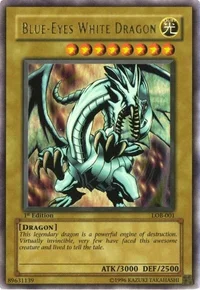 Blue-Eyes White Dragon,
 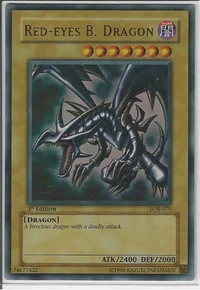 Red-Eyes B. Dragon, and modern Dragon-focused archetypes like Branded Despia, Tenpai Dragon, and Dragunity. Dragon Ravine, Dragon Shrine, and Dragon Ravine’s generic Dragon support are game-defining enabler cards.
Warrior (~1,600 cards). The second-largest pool. Includes Elemental HEROes (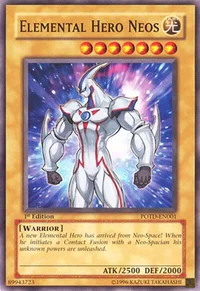 Elemental Hero Neos), Destiny HEROes (
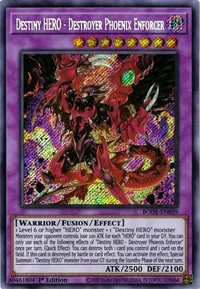 Destiny HERO - Destroyer Phoenix Enforcer), Gladiator Beasts, and classics like
 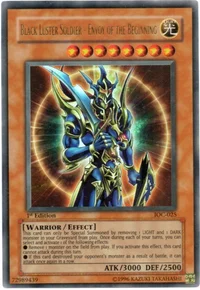 Black Luster Soldier - Envoy of the Beginning. Reinforcement of the Army is the generic Warrior-searcher that every Warrior archetype builds around.
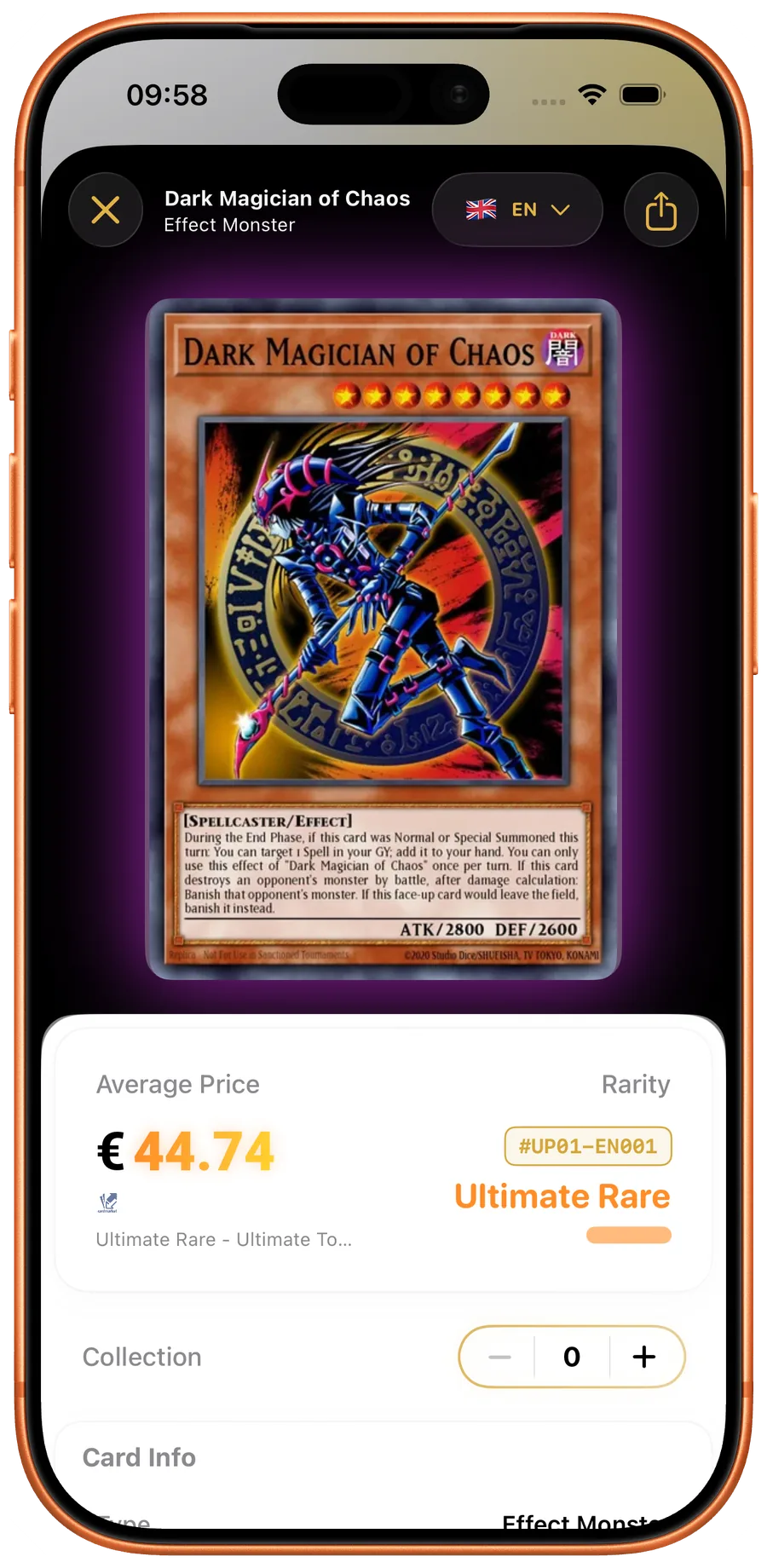
Spellcaster (~1,400 cards). The type that contains every Magician card. 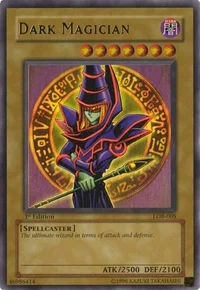 Dark Magician,
 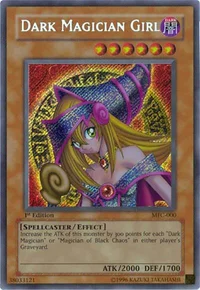 Dark Magician Girl, the Spellbook archetype, the Endymion archetype, and the Witchcrafter archetype are all Spellcaster. Magicians’ Souls is the core generic Spellcaster support in modern play.
Fiend (~1,300 cards). Includes the Fiendsmith engine (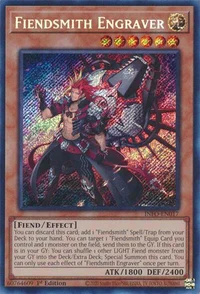 Fiendsmith Engraver), the Burning Abyss archetype, Danger!!, Invoked, and Labrynth (via several members). Fiend support has grown sharply in 2024–2026 as Konami’s modern design focuses heavily on Fiend-type archetypes.
Machine (~1,100 cards). 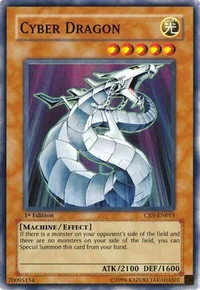 Cyber Dragon anchors classic Machine decks; modern Machine play lives in Geargia, Gadget archetypes, and the Ancient Gear series. Machine Duplication is the iconic Machine-specific support spell.
Fairy (~900 cards). 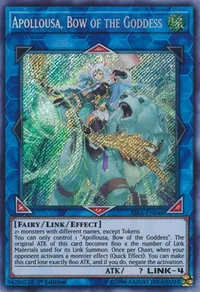 Apollousa, Bow of the Goddess, the Herald archetype (Herald of Perfection is a Fairy-type boss), and the Lightsworn / Dogmatika crossover all live in Fairy. Valhalla, Hall of the Fallen is the generic Fairy-enabler spell.
Beast (~800 cards). Small but competitively relevant pool — Tri-Brigade (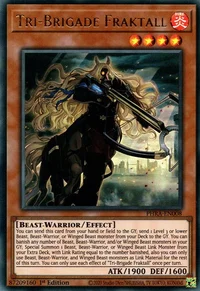 Tri-Brigade Fraktall), the Ayers Rock engine, and the classic Beast-Warrior / Beast synergy. Rescue Cat (Forbidden) defined the Beast meta in the mid-2000s.
Beast-Warrior (~600 cards). Bridges Beast and Warrior. The Gouki archetype, parts of Nekroz, and various classic monsters. Often treated together with Beast and Winged Beast for tribal support.
Winged Beast (~700 cards). 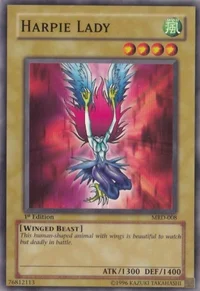 Harpie Lady (Original Artwork) and the Harpie archetype, the Blackwing archetype, and
 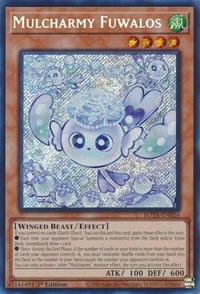 Mulcharmy Fuwalos. Elegant Egotist and Harpie-specific search cards anchor competitive Winged Beast play.
Zombie (~400 cards). The Vendread archetype, Uni-Zombie, Shiranui, and Eldlich. Zombie World (terraforming every monster into Zombies) is the iconic Zombie floodgate. Zombie has been mid-tier competitive continuously since 2018.
Aqua (~500 cards). The Frog engine (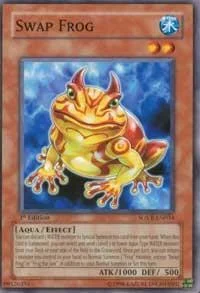 Swap Frog,
 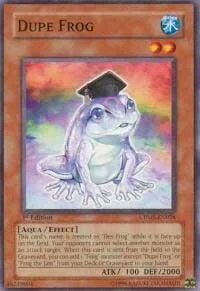 Dupe Frog), Mermail’s crossover members, and Mako Tsunami’s classic lineup. Salvage is the generic Aqua / WATER search spell.
Sea Serpent (~200 cards). Mermail core (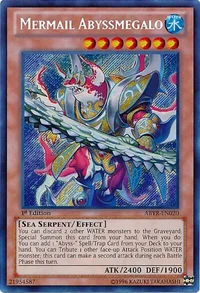 Mermail Abyssmegalo), Atlantean (
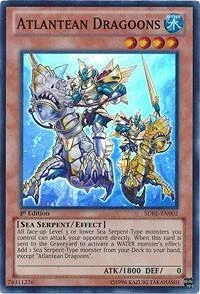 Atlantean Dragoons), and some Ogdoadic crossover. Small pool but cohesive.
Fish (~300 cards). Classic Fish support predating 2010; limited modern competitive relevance. Primarily a casual-tier type in 2026.
Reptile (~300 cards). The Ogdoadic, World Legacy, and Alien archetypes. Reptilianne is a nostalgic mid-tier archetype. Reptile is the type most commonly associated with control / disruption themes.
Insect (~400 cards). Resonance Insect, the Ant archetype, Pinch Hopper, and the Traptrix archetype (which is Insect-type). Insect support expanded sharply with Traptrix additions in 2023.
Plant (~500 cards). The Sunavalon archetype, Rose Dragon tribal, and classic Plant-type support. Lonefire Blossom was a format-defining Plant searcher (Forbidden for most of its history).
Thunder (~300 cards). 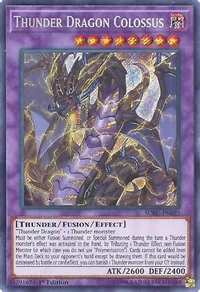 Thunder Dragon Colossus and the Thunder Dragon archetype, plus the Thunder Family / Imperial archetypes. Smaller pool but with a handful of elite individual cards.
Rock (~400 cards). 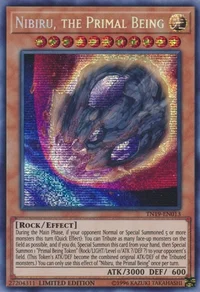 Nibiru, the Primal Being is the flagship Rock. Koa’ki Meiru, the Earthbound Immortal archetype (partial Rock overlap), and classic Rock-type defenders. Block Golem-era Rock combos made Rock briefly meta-defining in 2013.
Pyro (~300 cards). Volcanic archetype, Laval archetype, and the modern Salamangreat’s non-Cyberse members. Pyro is one of two types closely linked to FIRE attribute (alongside Dragon).
Psychic (~300 cards). 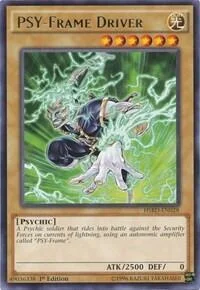 PSY-Frame Driver and the PSY-Frame archetype, Mind Master-era combos, and Psychic Reflector. The PSY-Frame lockdown was a meta-defining strategy in its era.
Cyberse (~400 cards). The newest major type (introduced 2017). Contains 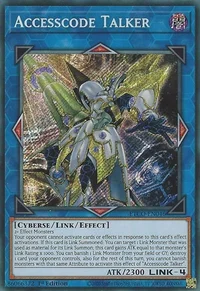 Accesscode Talker and the Code Talker archetype,
 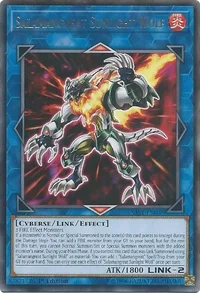 Salamangreat Sunlight Wolf and Salamangreat, and the Marincess archetype. Cyberse has received continuous Konami support for 8+ years.
Dinosaur (~200 cards). True Draco, True King, and classic Dinosaur support. Mid-sized pool but with several meta-defining cards from the True King Dinosaur era (2017).
Divine-Beast (3 cards + support). The Egyptian Gods (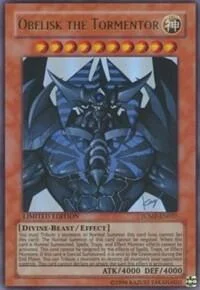 Obelisk the Tormentor,
 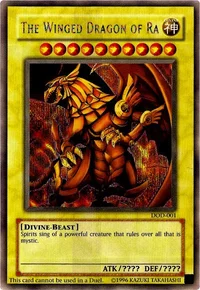 The Winged Dragon of Ra,
 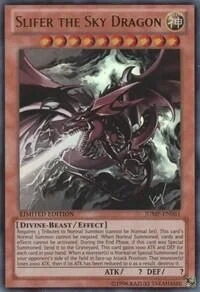 Slifer the Sky Dragon). The smallest “type” in the game — three named monsters and a handful of support cards.
Creator God (1 card). Holactie the Creator of Light. A single card. Mentioned for completeness.
Wyrm (~200 cards). A type introduced in 2014 for the Yang Zing archetype and later expanded to include Dracoslayer and other specific archetypes. Smallest type pool outside the Divine-Beast / Creator God niche.
Fairy-Tale (1 card, joke type). Appears on a single effect token generator. Not a real type for deck-building purposes.
How type matters in deck building
Archetype-type lock. Most archetypes are mono-type. A Dark Magician deck is Spellcaster-type. A Snake-Eye deck is primarily Fiend-type. This means type-specific support cards (Magicians’ Souls for Spellcasters, Fiendsmith’s engine for Fiends) integrate naturally into archetype play.
Type-specific field spells. Dragon Ravine, Sanctuary in the Sky, Necrovalley, Umi — several field spells check type as their activation condition. The existence of a strong type-specific field spell is one of the cleanest signals that a type has competitive potential.
Type-specific ritual and fusion summoning. Monsters like Herald of Perfection (requires tributing Fairies) or Chaos Ruler the Chaotic Magical Dragon check type. Your deck’s type distribution affects what Extra Deck monsters you can efficiently summon.
Generic type searchers. Reinforcement of the Army (Warriors), Terraforming (Field Spells — not type but adjacent), Galaxy Cyclone (Spells/Traps — also adjacent). Knowing the type searchers for your chosen type is deck-building fundamentals.
Type vs attribute — don’t confuse them
Type (Dragon, Warrior, etc.) and attribute (DARK, LIGHT, etc.) are independent. A Dragon can be any attribute. A DARK monster can be any type. Type affects type-specific support; attribute affects attribute-specific support. Both matter separately.
A quick reference:
- Blue-Eyes White Dragon: LIGHT / Dragon
- Dark Magician: DARK / Spellcaster
- Black Luster Soldier - Envoy of the Beginning: LIGHT / Warrior
- Red-Eyes B. Dragon: DARK / Dragon
- Elemental Hero Neos: LIGHT / Warrior
Two cards can share attribute and differ in type (Blue-Eyes and Black Luster Soldier both LIGHT but Dragon vs Warrior), or share type and differ in attribute (Blue-Eyes and Red-Eyes both Dragon but LIGHT vs DARK). Support cards that check one won’t check the other.
On YuScan
Browse cards by monster type
Filter YuScan's database by type — Dragon, Warrior, Spellcaster, all 25 types — with full card pools.
Common mistakes
Ignoring type when choosing Extra Deck picks. Apollousa requires Fairy tribute material; Accesscode Talker requires Cyberse Link materials (technically requires link-2+ materials including specific counts). Check type requirements before fixing Extra Deck slots.
Assuming type = attribute. They’re independent. A “Fiend deck” isn’t necessarily a “DARK deck” even though most Fiends are DARK.
Overlooking small-pool types. Wyrm, Cyberse, and Psychic have smaller card pools but include elite individual cards. Don’t skip a powerful card just because its type is niche.
Scan every Yu-Gi-Oh! card. Track the whole collection.
YuScan is the AI-powered Yu-Gi-Oh! card scanner, collection manager and price tracker for iOS. 13,000+ cards, every expansion since LOB, live prices from TCGPlayer, Cardmarket and eBay.
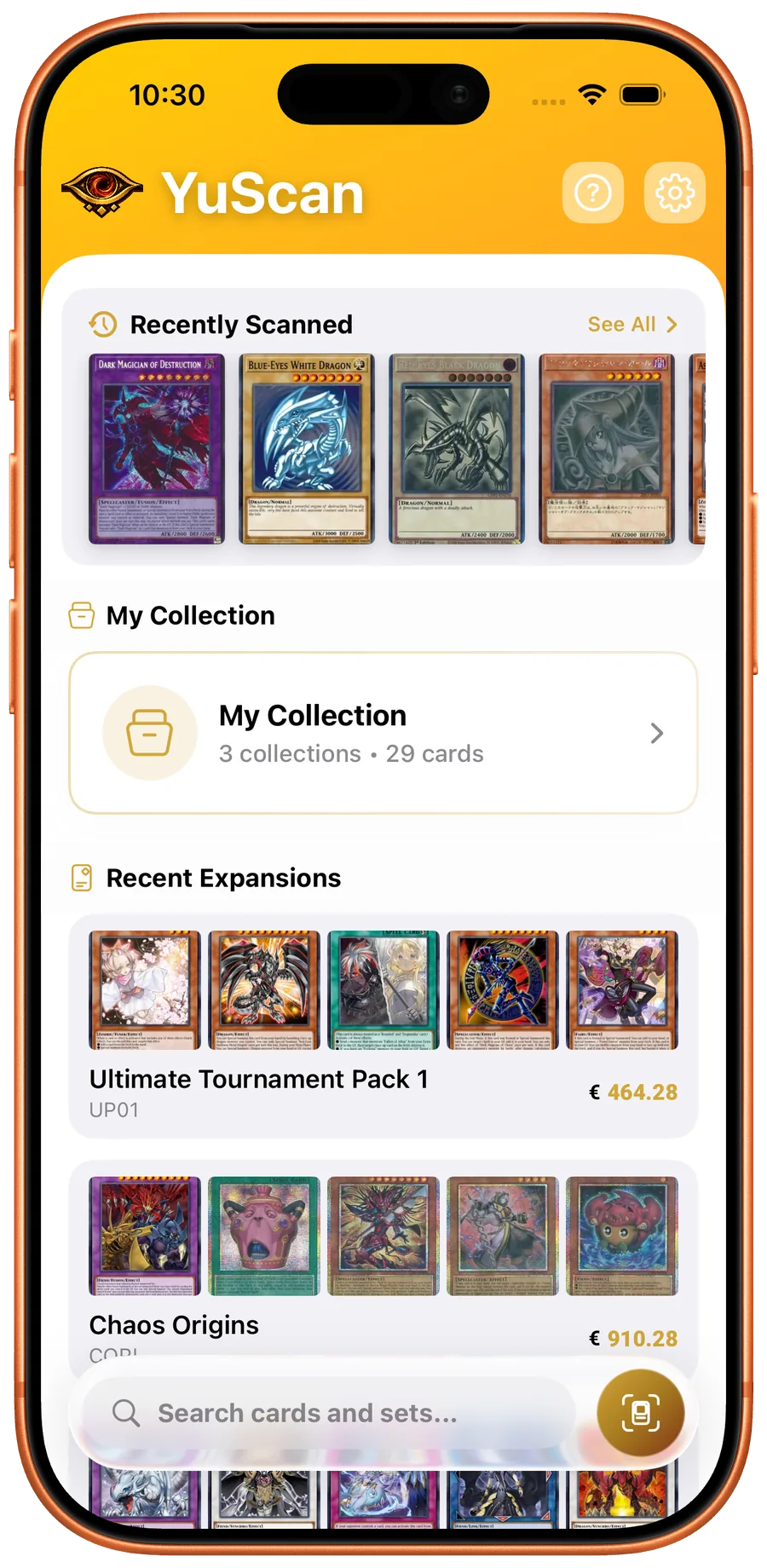
Filter any of YuScan’s 13,000+ cards by monster type — find the Cyberse Link materials for Accesscode Talker, the Fairy tributes for Herald of Perfection, or every Dragon in the game for your next Branded build.